MPB x Foam Talent Studio Visit: Yiding Chen
Studio Visit offers a look at the artistic practices, workspaces, and latest projects of contemporary photographers. For this collaboration with Europe's top camera reseller, MPB, Foam curators take a closer look at the practices of five 2026 Foam Talents.
In Chen Yiding’s studio in Shanghai, images do not remain fixed for long. They are pinned to the wall, cut apart, reframed, folded into relief, or brought into contact with ordinary objects that alter how they are read. Above his desk hangs a dense arrangement of references: archival photographs, body fragments, devotional imagery, weapons, old illustrations, and found material that together function as a working map of visual culture. On a desk nearby lie cutting mats, tools, prints, and sculptural experiments. A framed image of a classical bust has been interrupted by pastry forks placed across its eyes. The studio is modest in size, but it contains the full logic of Chen’s practice: research, comparison, intervention, and form.
“For me, the camera is primarily a tool for producing images that can later be reconstructed, rather than an end in itself. Much of my practice begins with archival material that I reinterpret through photography before transforming it into installations and sculptural forms. This process relies on precision and consistency, which is why I often work with Fujifilm’s GFX medium format system. Its image quality allows every stage of reconstruction to remain faithful to the original material. When photographing archival reconstructions in the studio, I also use an Ebony 4×5 large format camera. The unique rendering of large format film and its measured pace suit the careful process of recreating historical imagery, giving the photographs a physical presence that resonates with the themes of memory and the archive. These systems help me produce images that blur the boundary between contemporary photographs and historical records.”
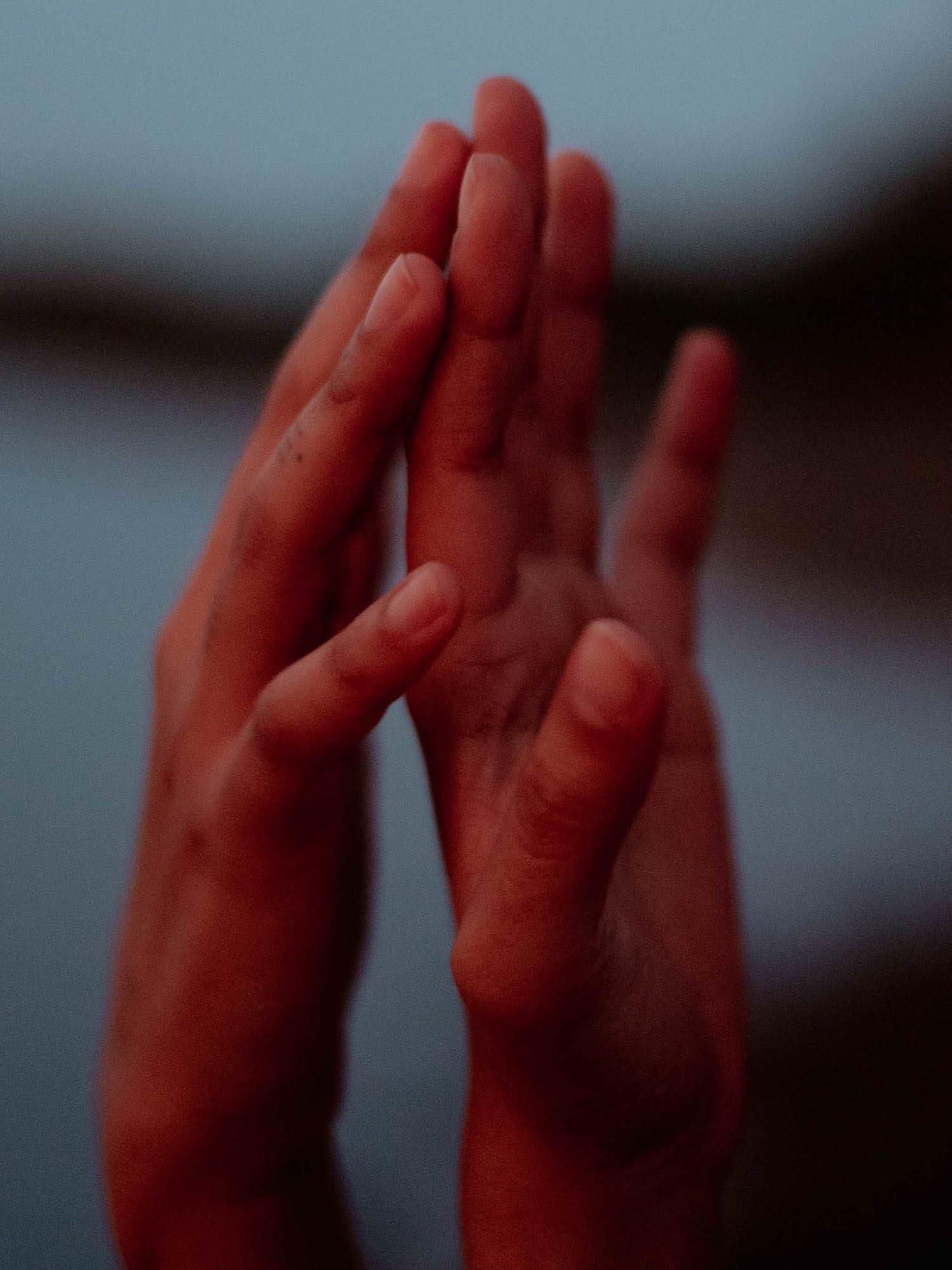
Chen did not arrive at photography through a fixed commitment to the camera. He began by taking pictures in the street, trying to record what caught his attention, but gradually became less interested in producing more images and rather focuses on understanding the ones that already circulate in the world. That shift now defines his work. For Chen, photography is not a final destination. It is a method for asking how images acquire authority, how they shape ideas about the body, and how visual systems turn assumption into apparent fact. This is central to his ongoing project Natural Born Left-Handed Killer, a research-based photographic project that examines left-handedness not as a purely physiological trait but as a visual and cultural construction. Using left-handed gestures as an entry point, the work traces how bodily orientation becomes marked, regulated, and symbolically charged through images, tools, and representational systems. The project draws on archival photographs, instructional diagrams, crime imagery, sculptural references, and staged scenes, showing how the ‘wrong hand’ has repeatedly been isolated, observed, and corrected within Western visual culture.
One of the project’s key examples is the well-known image of Billy the Kid. For years, the photograph helped sustain the belief that he was left-handed because he appears to carry and draw with his left hand. Chen returns to the image’s material condition: it was made through a tintype process, which often produced laterally reversed images. In other words, a photographic characteristic contributed to a cultural misunderstanding. That slippage matters to him. It shows how easily technical form becomes visual evidence. The same logic informs the material structure of the works themselves. Chen does not treat archival photographs as fixed documents. He crops, isolates, reconstructs, and recontextualises them in new photographic and sculptural arrangements. In doing so, he introduces uncertainty into images that retain the visual language of institutional clarity. They may look precise, neutral, even scientific, but that appearance is exactly what the work asks viewers to question.
This Studio Visit is made on collaboration with MBP.
About the artists
YIDING CHEN is an artist working primarily with photography. His practice investigates how visual culture imposes control over bodies and reinforces social bias, revealing how images shape collective experiences. Chen was a participant in the Jimei x Arles International Photo Festival, and was selected for the Top 20·2025 Chinese Contemporary Photography Exhibition.
About the author
AYA MUSA is a curator at Foam. Prior to this, he was a curator and head programmer at the Nederlands Fotomuseum. In his work, Aya combines social developments with new exhibition forms, where photography is not subordinate to the context from which it arises, but at the same time never loses sight of this context. In this way, he gives photography a stage that goes beyond existing clichés. Since 2001, he has combined his work in the Netherlands with empirical ethnographic research into the Middle East and the Indian subcontinent. Currently, Aya is studying the photographic representation of victims of sectarian violence in the region.
About MBP
MPB empowers creators to tell their stories by making pre-owned photo and video equipment more accessible. Whether buying a first camera, upgrading a kit, or giving used gear a second life, MPB makes it easy to buy, sell, and trade equipment. Through its collaboration with Foam Talent 2026, MPB supports the next generation of image-makers, helping emerging photographers share their work with audiences around the world and opening up new creative possibilities.