Nad E Ali
Horse / Men
Now in its 17th edition, the biannual Foam Talent Programme continues to make waves by introducing a new selection of outstanding image-makers from across the globe. At a time heavily marked by political uncertainty, economic precarity and families forced into separation, this year’s 15 Foam Talents look closely at the roots holding everything together. Each in their own way, they invite us to reflect on the domestic, mundane, and personal as something universal by asking: What defines home?
In Lahore, a horse moves each year through the streets during Muharram, the first month of the Islamic calendar. For Shia Muslims, it is a period of communal mourning that culminates on Ashura, the tenth day, when the death of Imam Hussein ibn Aliᴬˢ is commemorated. The horse is the Zuljanah, the riderless steed associated with Husseinᴬˢ, who was killed in 680 at the Battle of Karbala after refusing to pledge allegiance to the Umayyad caliph Yazid ibn Muawiya. His refusal was both moral and political, and his death became the event around which Shia memory and practice continue to organise themselves.
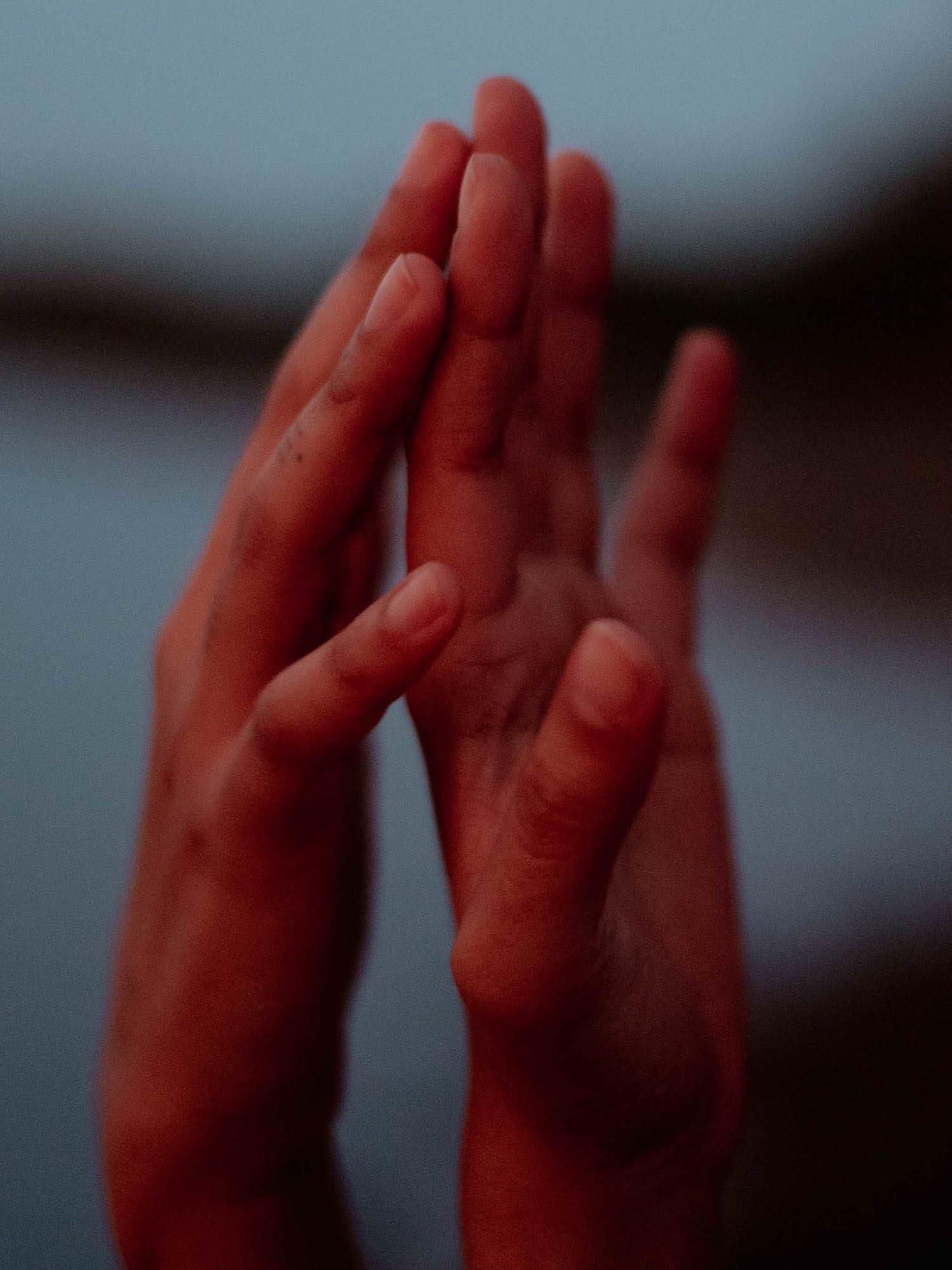
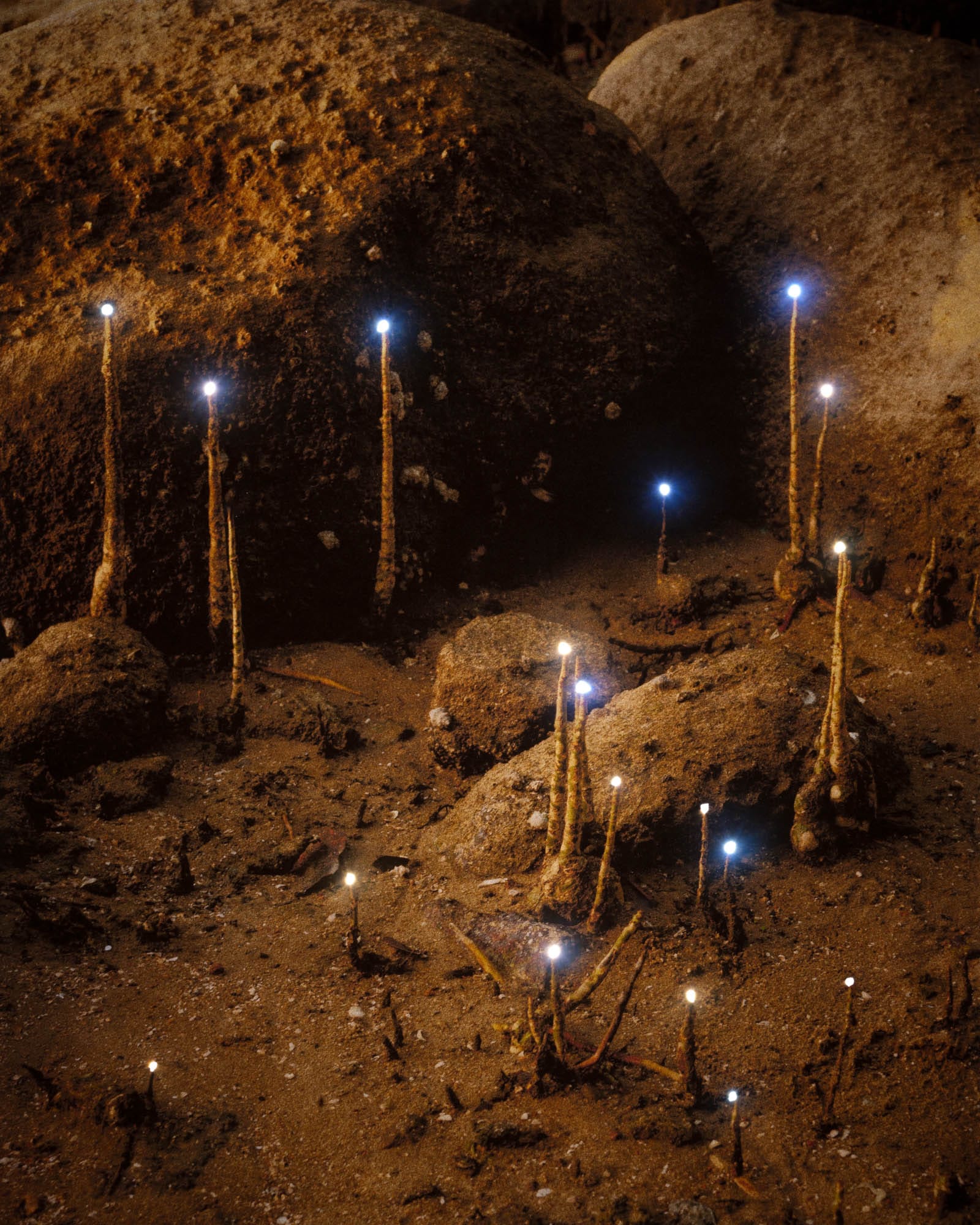
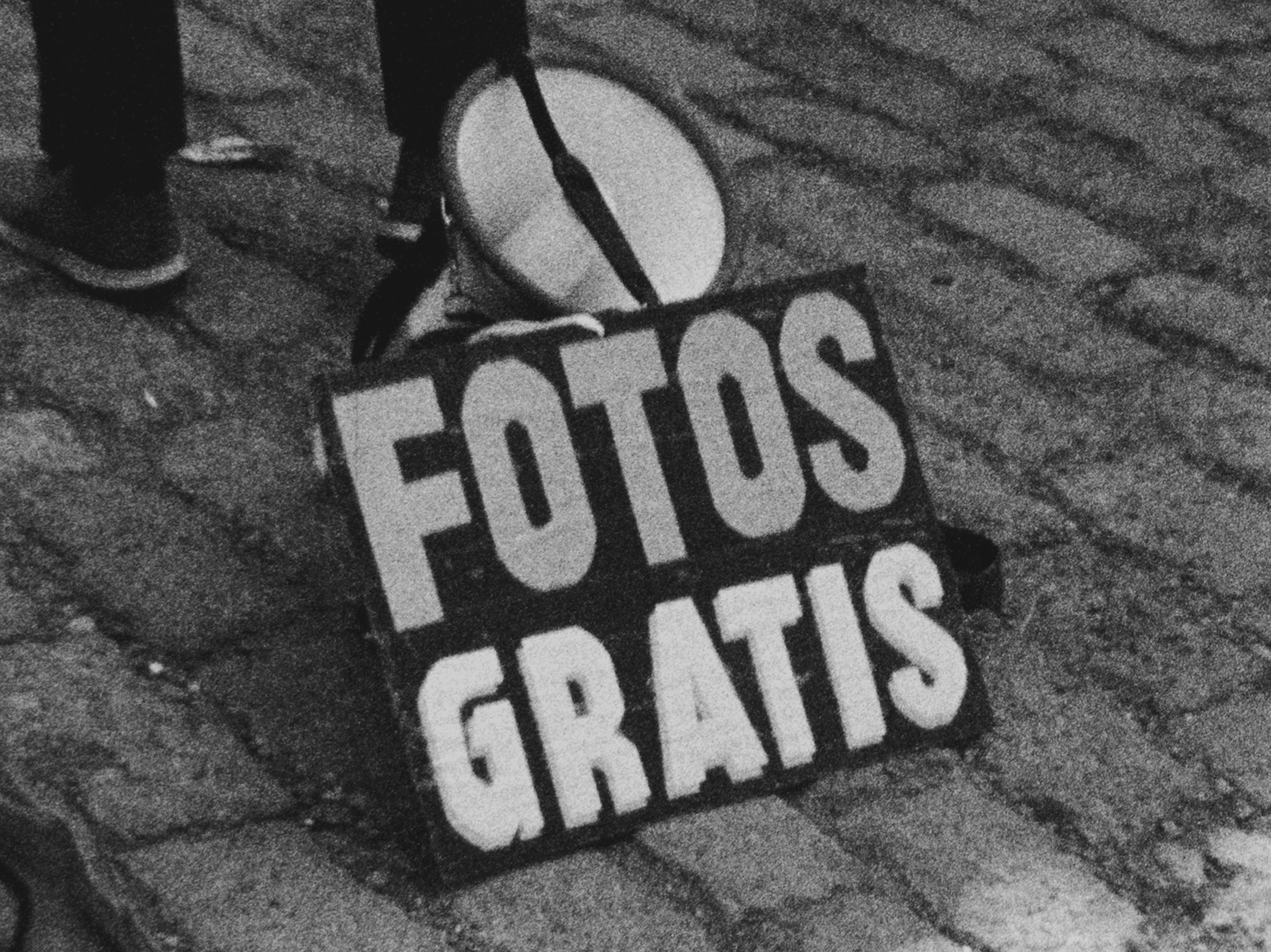
Photographer Nad E Ali grew up in Lahore and has documented the Ashura procession over many years. In his book Maqtal, developed from this long engagement, he recalls his first encounters with the procession. As a child, he was unable to see the Zuljanah because of the density of the crowd, until his father lifted him onto his shoulders so that he could look. From that elevated position, he was able to see the horse and reach out to touch it, even though he did not yet understand what he was witnessing. This memory is not depicted in the photographs themselves, but it clarifies the conditions under which one enters the ritual space. The photographs in Horse / Men are made from within the procession, not from a distance. They do not isolate a single subject or present a detached overview, but remain within the movement of the procession. Faces, hands, objects, and fragments of the horse appear and disappear across the images, while the crowd forms a continuous presence. What comes into view is a set of relations that hold the event together.
The superscript AS stands for alayhi salam (peace be upon him) and is used here because Imam Hussein is referred to in a religious and devotional context.
The Zuljanah moves without a rider, and this absence defines its presence. According to tradition, after Husseinᴬˢ was killed, the horse returned to the camp alone, carrying news of his death. In Lahore, that return is repeated each year. The horse is prepared, adorned, and guided by caretakers, while participants walk alongside it, approach it, and make space for it to pass. What takes place is not a reconstruction of Karbala, but a continuation of it through shared action. Karbala refers both to the place in present-day Iraq, where Husseinᴬˢ was killed, and to the event itself. In Lahore, the name is also given to a local site, Karbala Gamay Shah, which serves as the endpoint of the procession. What happened in Iraq is therefore not only remembered from a distance, but made present again through ritual. Karbala, in this understanding, is carried and re-established through practice. For Shia Muslims, the struggle that Karbala represents is not over. Hussein’sᴬˢ stand against tyranny and corruption is understood as an enduring condition, rather than a closed chapter of history.
All images from the series Horse / Men © Nad E Ali
This is an excerpt of the portfolio text published in Foam Magazine #68 Talent 2026. To read the full text order the physical copy.
About the artist
NAD E ALI is an artist based in Lahore, Pakistan. His practice moves between photography, sound, and archival materials, engaging with personal and collective memory. The artist’s ongoing initiative, Tasveer, supports independent photographic voices throughout South Asia. His work has been presented internationally, including at Lumenvisum, Hong Kong (2024), Platforms Project, Athens (2025), and Printed Matter’s NY Art Book Fair, New York, among others.
About the author
AYA MUSA is a curator at Foam. Prior to this, he was a curator and head programmer at the Nederlands Fotomuseum. In his work, Aya combines social developments with new exhibition forms, where photography is not subordinate to the context from which it arises, but at the same time never loses sight of this context. In this way, he gives photography a stage that goes beyond existing clichés. Since 2001, he has combined his work in the Netherlands with empirical ethnographic research into the Middle East and the Indian subcontinent. Currently, Aya is studying the photographic representation of victims of sectarian violence in the region.
Image credit: All images from the series Horse/Man © Nad E Ali