MPB x Foam Talent Studio Visit: Daniel Mebarek
Studio Visit offers a look at the artistic practices, workspaces, and latest projects of contemporary photographers. For this collaboration with Europe's top camera reseller, MPB, Foam curators take a closer look at the practices of five 2026 Foam Talents.
IW: Hi Daniel, it must be nice to get back into the rhythm of working from your studio, after the opening of Foam Talent. Can you talk me through a typical day in your studio?
DM: Lately, I’ve been working in a community photo lab at DOC!, an alternative art space located just a few minutes from my home. It has allowed me to reconnect with the joy of engaging with the materiality of photography. I’m currently experimenting with photograms and contact prints made from a collection of old glass plates that I acquired a few years ago at a flea market in Bolivia. The glass plates depict studio portraits of Indigenous people taken during the first half of the twentieth century.
IW: I was wondering if you could expand a little more on the photogram series? How do you find working with found and archival material, and how do the studio portraits from the early twentieth century relate – aesthetically and/or conceptually – to the rest of your practice?
DM: What I’m interested in exploring with these recent photograms is the way Indigenous people have historically been portrayed in exoticising and reductive ways. In this regard, my thinking is informed by the work of Deborah Poole, who has written extensively about the visual construction of Andean identities and imaginaries. More broadly, all of the work I make in Bolivia is shaped by these questions.
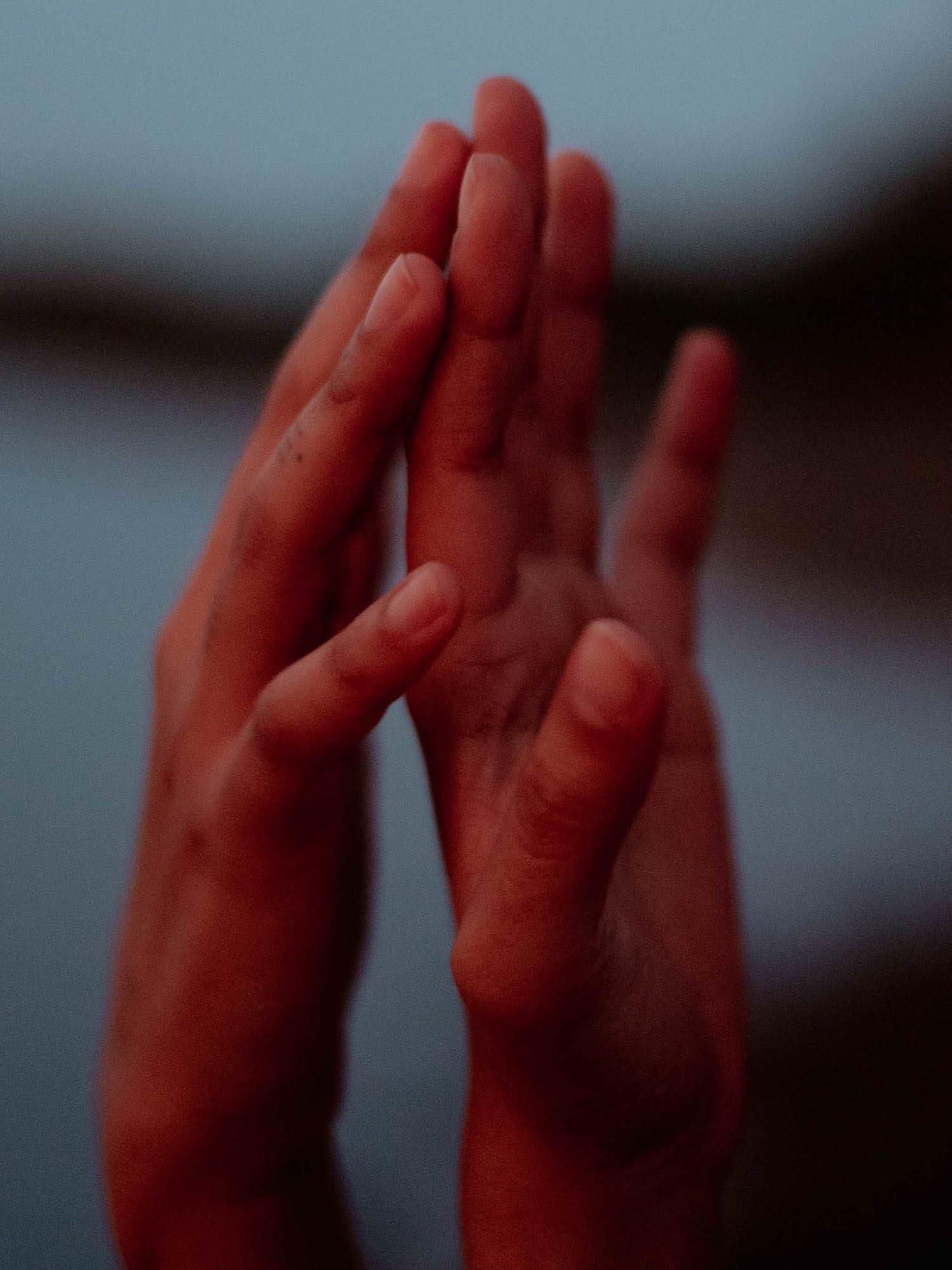
Working with these glass plates has also brought to mind Arlette Farge’s writing on the sensual and haptic relationship we develop with archives: what she describes as the "allure" of the archive. There is something compelling about handling these fragile objects and engaging with them through touch as much as through sight. This is why I included photograms of my own hands handling the glass plates.
At the same time, I simply enjoy making these photograms and thinking with my hands. I sometimes feel we place too much pressure on artistic production to fit neatly into the logic of ‘series’ or ‘projects,’ to package it in ways that make it immediately legible and easily consumed.
IW: Your projects are often collaborative. How do you use collaboration and participation to challenge traditional power dynamics in documentary photography?
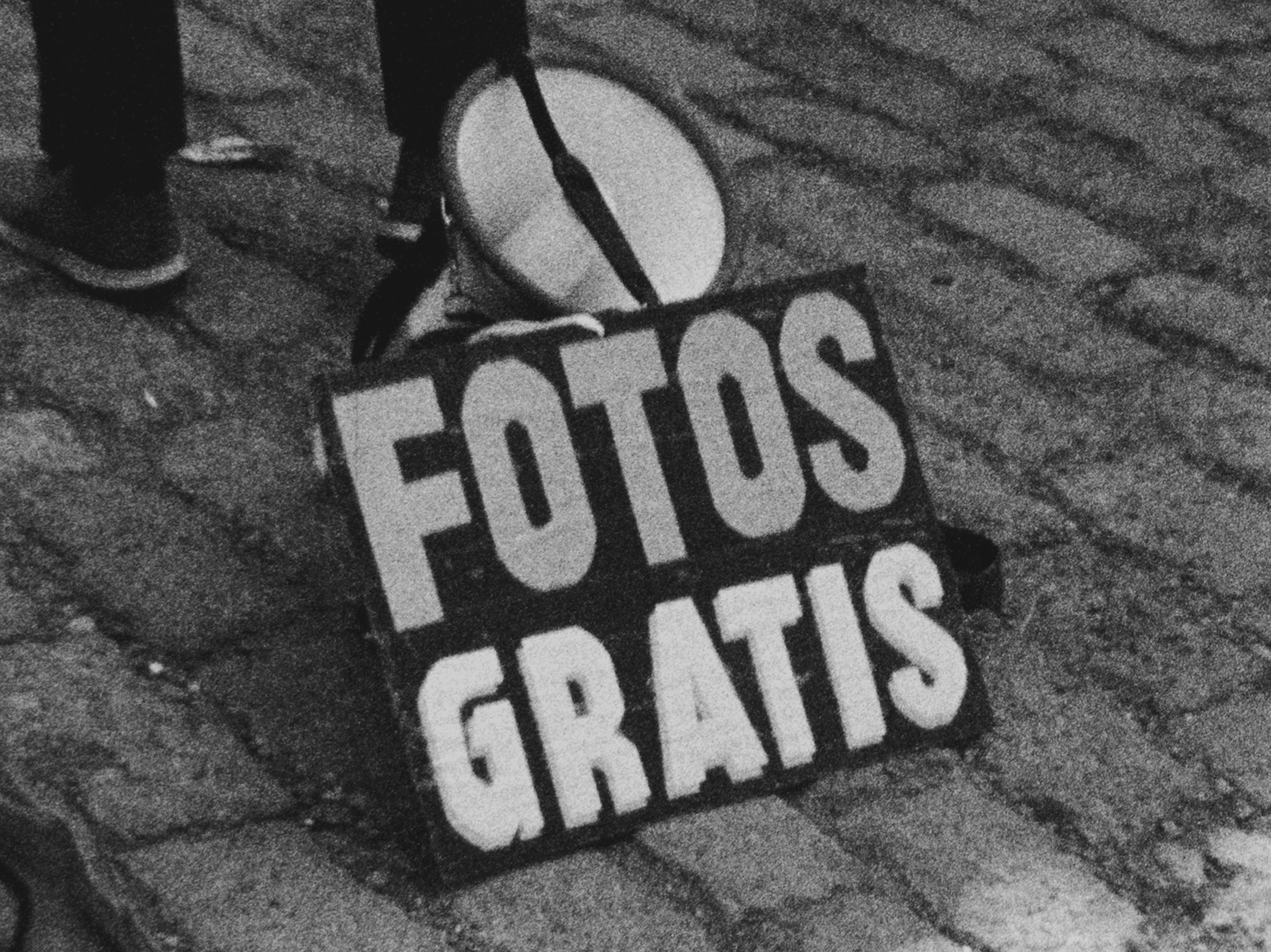
DM: I’m careful about using terms such as collaboration and participation, which have become buzzwords used to legitimise certain kinds of artistic practices. I’m more interested in engaging with ethical questions around the representation of the Other, and with the gestures and spaces that surround the production of images. This is what I try to explore in Fotos Gratis, where I set up a photography stall in the middle of a busy street market in El Alto, Bolivia. The project invites a form of engagement from the sitter that I hope is less extractive. Rather than claiming to resolve these issues, I want the project itself to remain a space where they can be interrogated.
IW: You work with photography and moving image. How do these elements of your practice relate to each other, and how does the process of creating a video differ from that of photography?
DM: I often use the term moving image for my video work because that’s often how I think of it. I approach my videos as I would a still image, considering how they might be displayed in space. The difference, of course, is that the moving image unfolds over time. It requires a different kind of attention and patience from the viewer. Unlike my photographs, my moving-image work feels more embodied. I pay less attention to composition, allowing it to be shakier, more intuitive, and more open to ‘mistakes’.
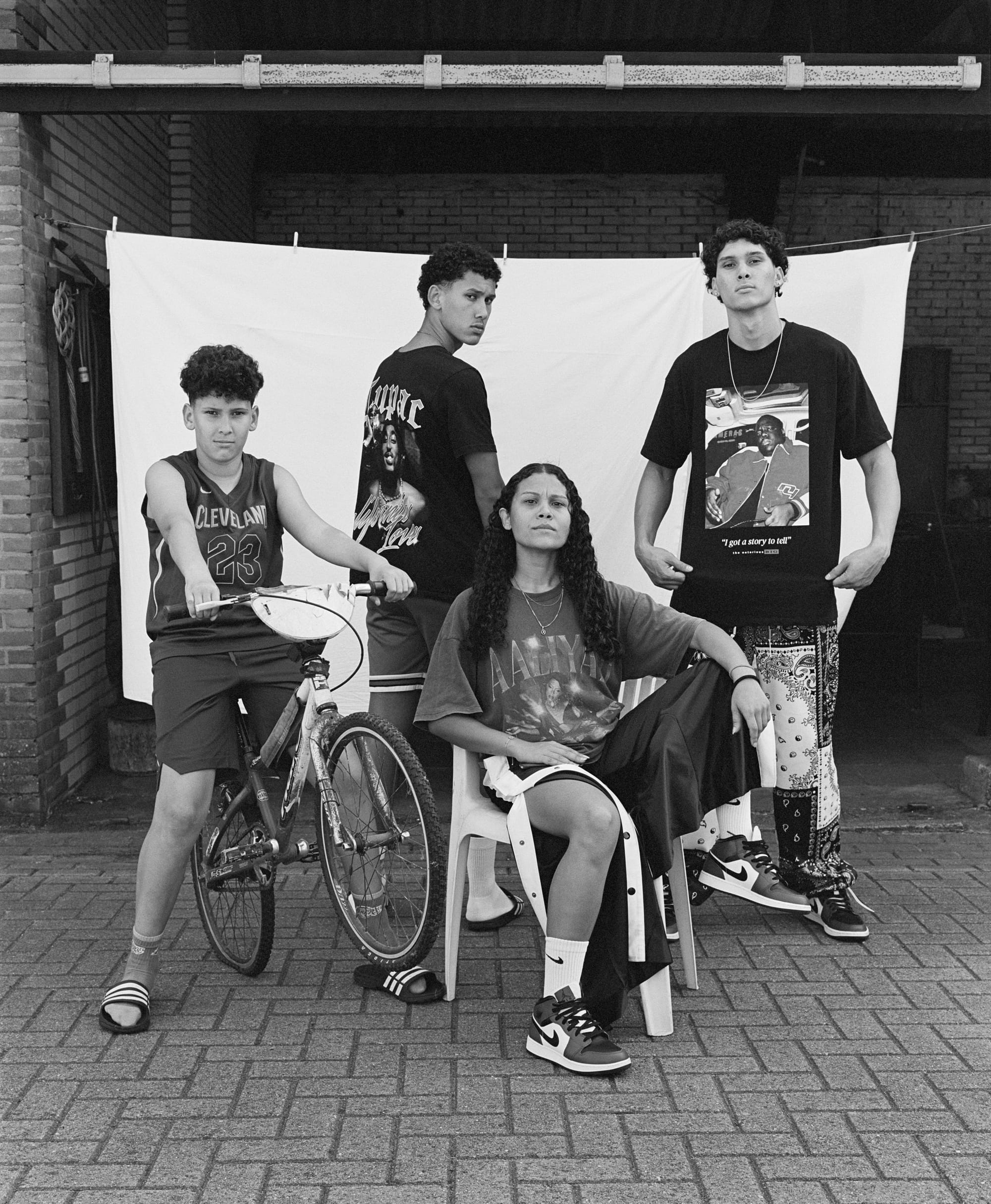
IW: In the series Fotos Gratis, you set up a photo studio at a market in El Alto, Bolivia, and offered free portraits to the city's residents. How was the experience of operating from this temporary studio?
DM: Running the photography stall was a deeply human and playful experience. I often say that I’ve never felt more like a photographer than I did while working on this project. By that, I mean photography as a service or a profession. With this project, I was interested in paying tribute to the history of itinerant photographers who worked in public spaces, at fairs and street markets, creating contemporary archives of their communities.
IW: Can you elaborate on your relationship with the camera, and whether you worked with a specific model for this project?
DM: For Fotos Gratis, I used a Pentax 6×7, an analogue medium-format camera. What’s particular about this camera is that there’s a slight discrepancy between what you see through the viewfinder and what appears in the final image. The negative captures slightly more information around the edges. As a result, the photographs sometimes include the clamps holding up the backdrop or the edges of the fabric itself. Those imperfections became an important part of the work, making the images feel more interesting.
IW: Can you elaborate on the reaction of the sitters to their portraits? To what extent was the 'afterlife' of the prints, once the sitters left the studio, a consideration in the project?
DM: The photography stall attracted a great deal of attention from passers-by, and I think many people were happy to participate simply for the experience of taking part in this unexpected intervention. There were also many touching moments. One man, who was drunk, came back after having his portrait taken to thank me with a bag of pears. Another kissed his photograph and held it against his chest as he walked away.
I also think a lot about what became of those prints afterwards. For me, that aspect of speculation is part of the poetry of the project. I like to imagine their afterlives: whether they ended up stuck to a fridge, framed on a family altar, or forgotten in a drawer. The art is not only contained within the final portraits, but also in the social encounters and relationships that this gesture created in the public space.
This Studio Visit is made on collaboration with MBP.
About the artists
DANIEL MEBAREK is an artist working across photography, video, and installation. His practice is grounded in long-term fieldwork and close engagement with specific communities and sites. He explores themes of identity, urbanization, labor, and memory, while critically examining the power dynamics inherent in documentary practices. In 2025, he was a finalist for the Discovery Award at Les Rencontres d’Arles. He has received support from the Centre national des arts plastiques (France), PhMuseum (Italy), and Photolucida (United States). His work has been featured in publications including The British Journal of Photography, Aperture, and Camera Austria, among others, and is held in the collection of the Victoria and Albert Museum (V&A).
About the author
ISABEL WALTER is a writer and curator based in Amsterdam. She currently works as Assistant Curator at Foam, and Editorial Assistant at Foam Magazine. She is particularly interested in art which expands the technical and conceptual boundaries of photography, moving image and new technologies.
About MBP
MPB empowers creators to tell their stories by making pre-owned photo and video equipment more accessible. Whether buying a first camera, upgrading a kit, or giving used gear a second life, MPB makes it easy to buy, sell, and trade equipment. Through its collaboration with Foam Talent 2026, MPB supports the next generation of image-makers, helping emerging photographers share their work with audiences around the world and opening up new creative possibilities.