Ramona Jingru Wang
My friends are cyborgs, but that’s okay
Now in its 17th edition, the biannual Foam Talent Programme continues to make waves by introducing a new selection of outstanding image-makers from across the globe. At a time heavily marked by political uncertainty, economic precarity and families forced into separation, this year’s 15 Foam Talents look closely at the roots holding everything together. Each in their own way, they invite us to reflect on the domestic, mundane, and personal as something universal by asking: What defines home?
A cyborg—short for ‘cybernetic organism’—is typically understood as a hybrid of human biology and machine technology, often visualised through metallic bodies, artificial enhancements, and dystopian futures. Yet these familiar tropes are notably absent in Ramona Jingru Wang’s work. Rather than presenting cold, mechanised figures, her photographs are imbued with softness, intimacy, and emotional sensitivity.
In her images, the cyborg is not a distant, futuristic entity but something grounded, relational, and deeply human. Wang’s conceptualisation of the cyborg draws from Donna Haraway’s seminal essay A Cyborg Manifesto: Science, Technology, and Socialist-Feminism in the Late Twentieth Century, in which the cyborg functions as a critical metaphor for rethinking identity, embodiment, and power. Haraway challenges the rigid binaries that have historically structured Western thought—human versus machine, male versus female, nature versus culture—and instead proposes the cyborg as a figure that exists beyond these divisions. It represents hybridity, contradiction, and the possibility of identities that cannot be neatly categorised. For Wang, this theoretical grounding is inseparable from her lived experience. Born in China and now based in New York, she occupies a diasporic position that informs much of her practice.
Moving between cultural contexts, her work reflects a continual negotiation of identity shaped by both internal and external perspectives. This in-between condition becomes particularly significant when considered alongside the histories of Orientalism and its contemporary extension, techno-Orientalism. While Orientalism has long constructed the ‘East’ as exotic, backward, or inferior, techno-Orientalism reframes East Asia as hyper-modern, technologically advanced, and often dystopian. Against the background of the skyscrapers and neon-lights of cities such as Hong-Kong, Tokyo, Shanghai, across film, media, and popular culture, Asian bodies are cast as efficient, intelligent, and machine-like, yet emotionally distant or less human.
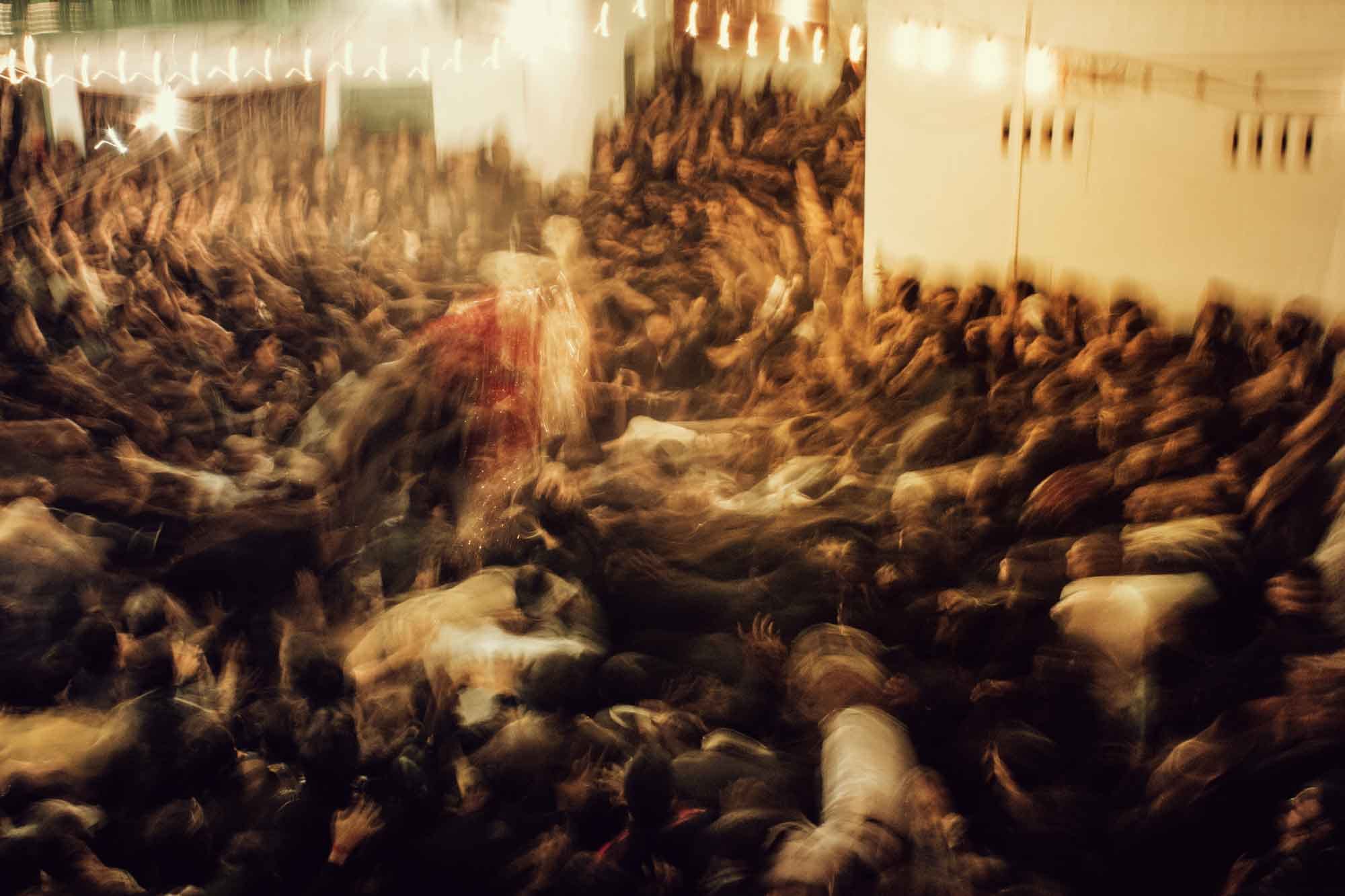
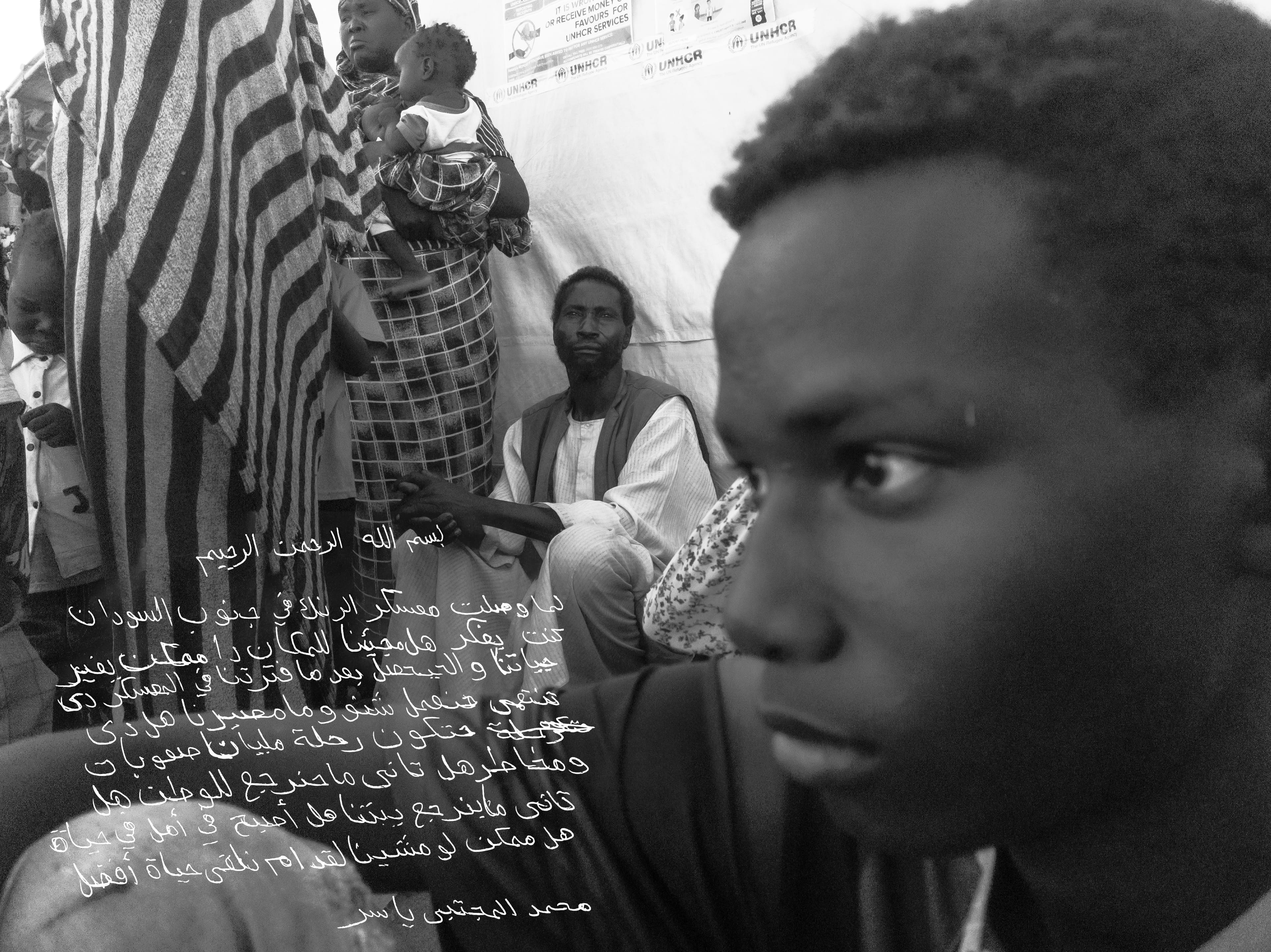
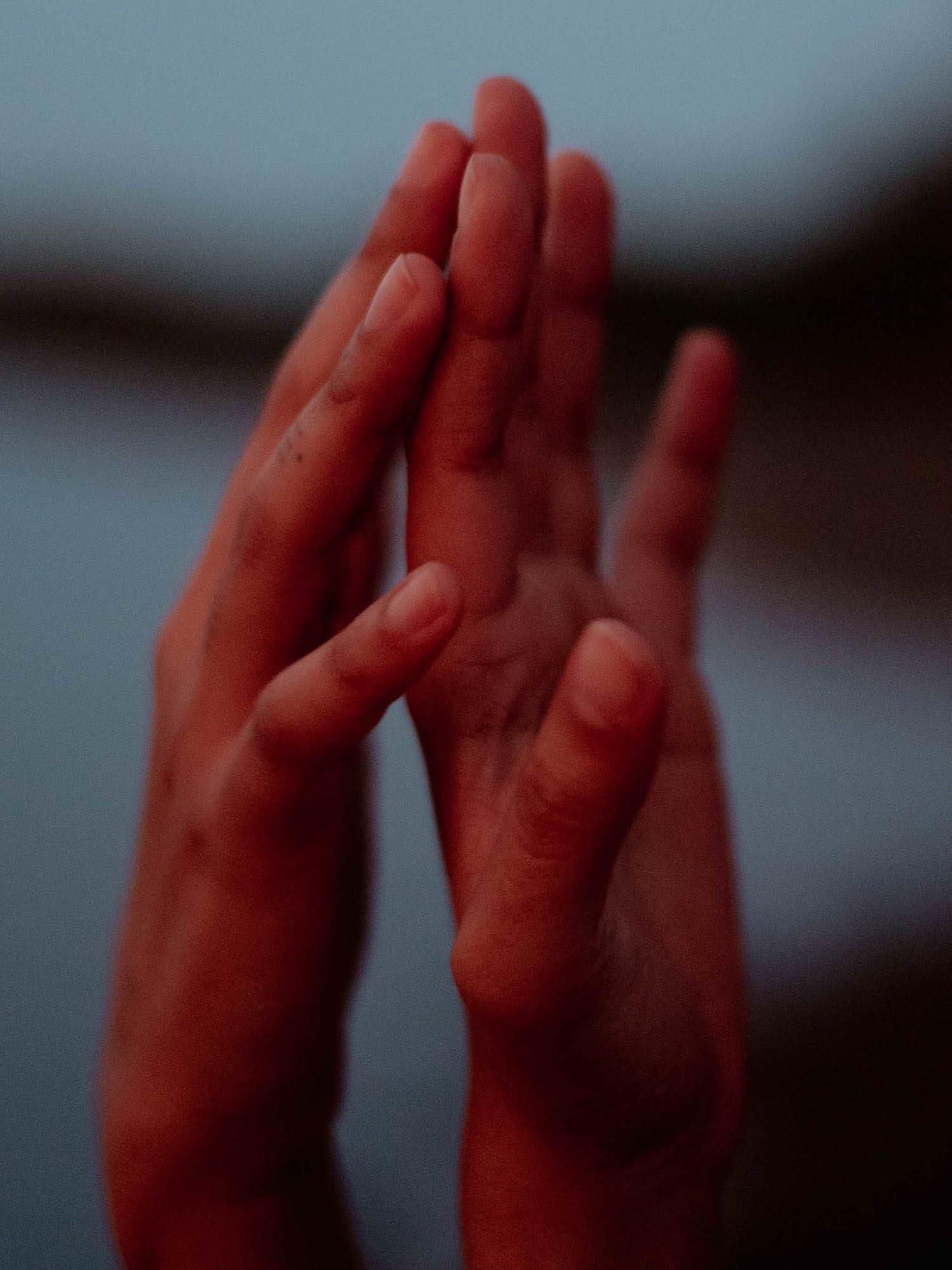
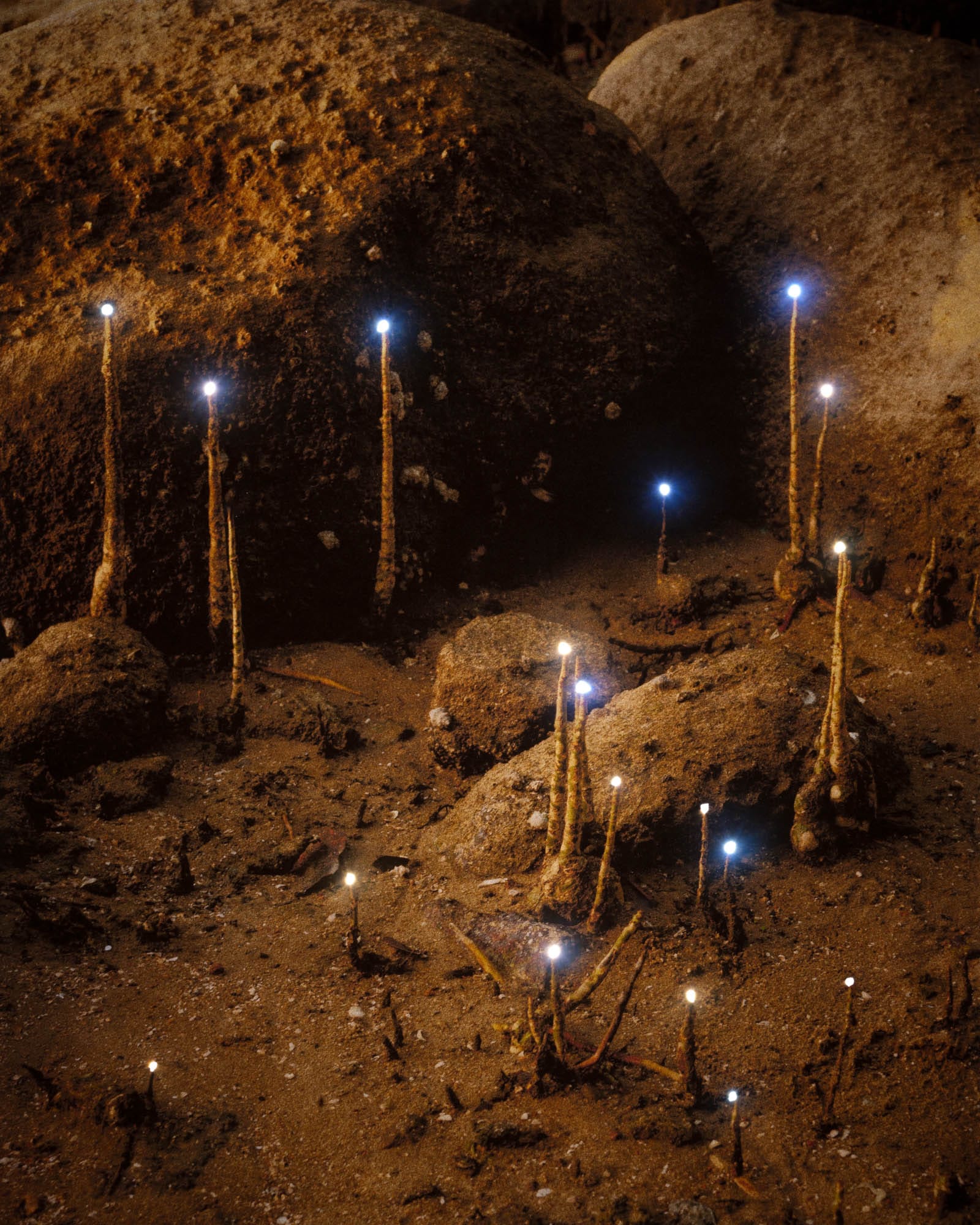
Wang’s work engages directly with these overlapping frameworks, particularly in her project My friends are cyborgs, but that’s okay. Presented as a mockumentary, the series imagines a world in which Asian bodies are understood as cyborgs, navigating social structures that already position them as other, as non-conforming, or as somehow outside normative definitions of humanity. However, rather than reinforcing these narratives, Wang subtly subverts them.
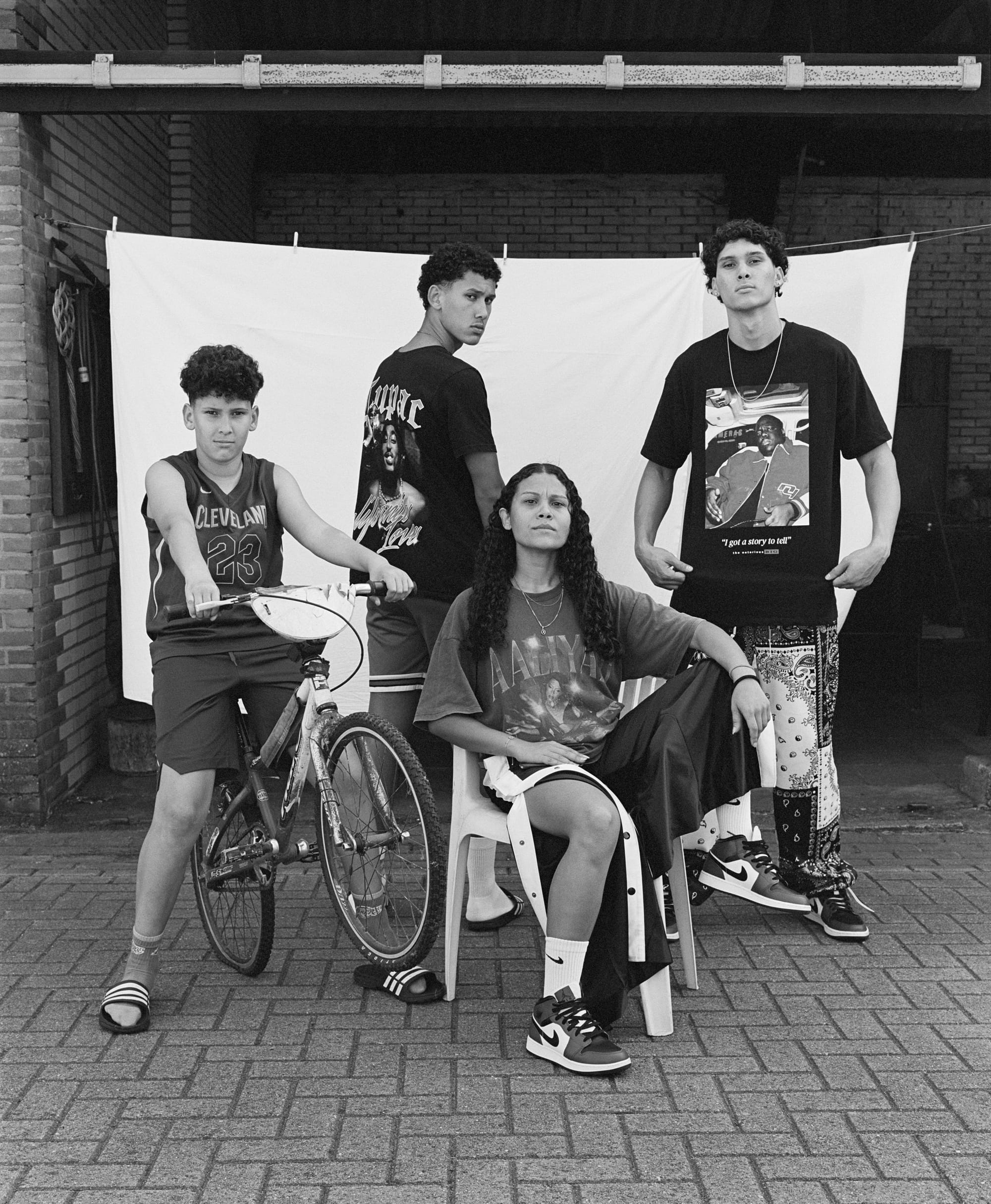
All images from the series My friends are cyborgs, but that's okay © Ramona Jingru Wang
This is an excerpt of the portfolio text published in Foam Magazine #68 Talent 2026. To read the full text order the physical copy.
About the artist
RAMONA JINGRU WANG is a lens-based artist based on the internet and New York. Her work explores how images intervene with our reality and create connections among people and space, investigating how we care for each other through photographs. She was the recipient of the Magnum Foundation New York City Fellowship 2026, and her work has been exhibited in the Museum of the City of New York.
About the author
MARIE GOTO is a photographer and curator at Foam. Born and raised in Tokyo, Japan, she moved to the Netherlands to study International Relations at Leiden University. Currently, she works between Amsterdam and Rotterdam, and is one-fifth of the Ito Collective, a Rotterdam-based initiative working to connect and celebrate the East and South-east Asian community. Through exploring various artistic expressions, they aim to expand the narratives and perceptions surrounding the diaspora.
Image credit: All images from the series My friends are cyborgs, but that’s okay © Ramona Jingru Wang