MPB x Foam Talent Studio Visit: Nazanin Hafez
Studio Visit offers a look at the artistic practices, workspaces, and latest projects of contemporary photographers. For this collaboration with Europe's top camera reseller, MPB, Foam curators take a closer look at the practices of five 2026 Foam Talents.
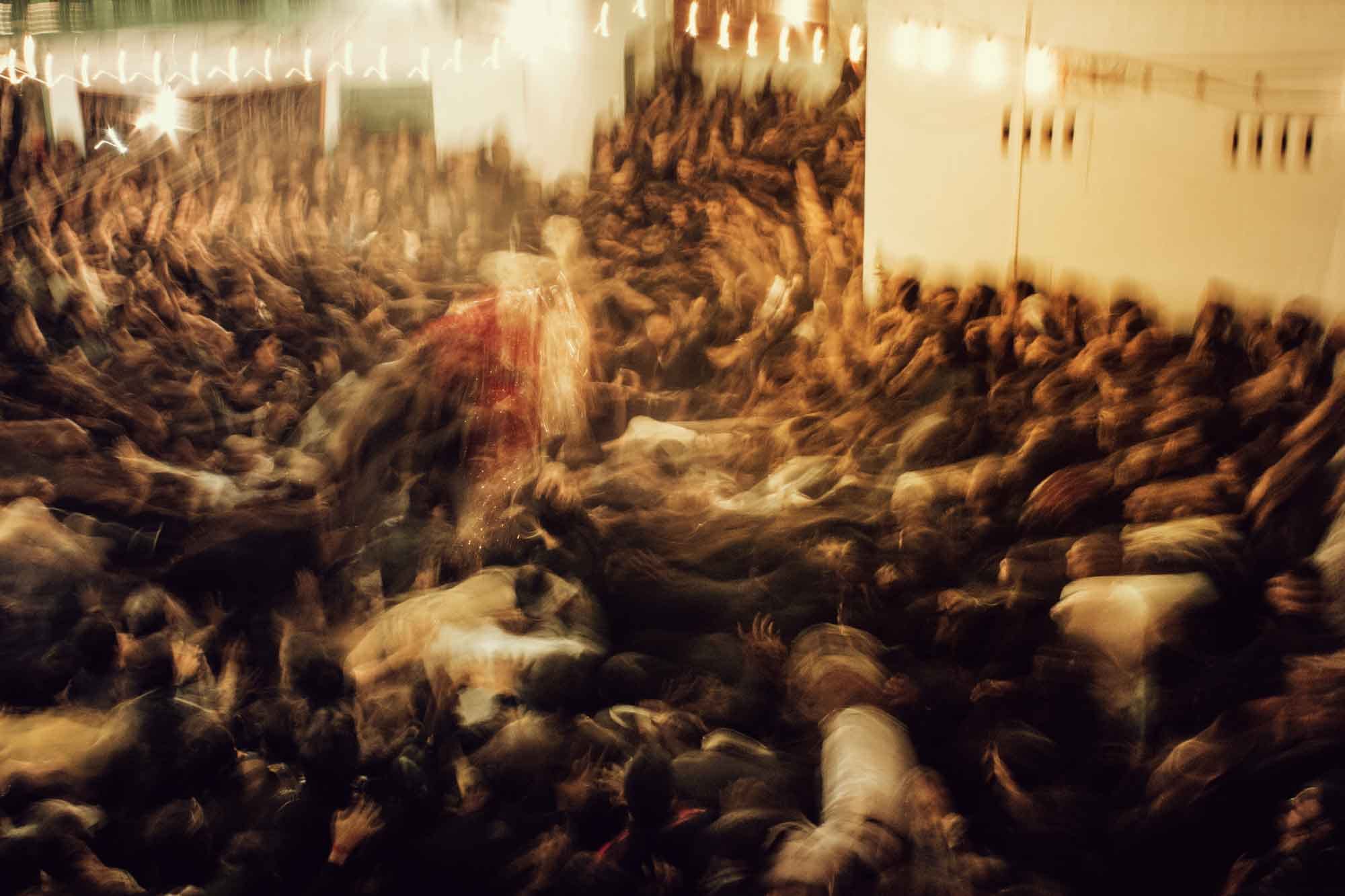
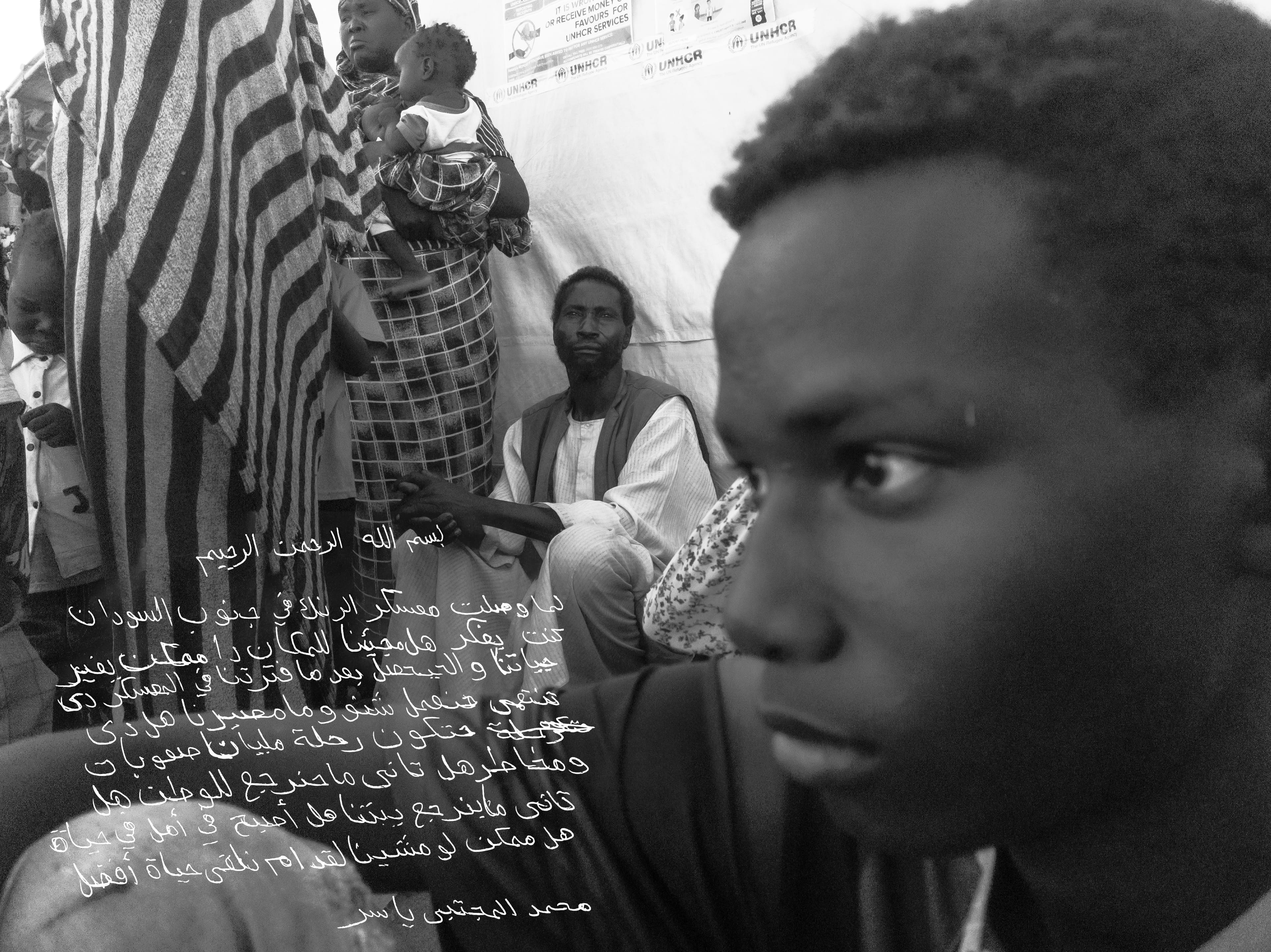
Claartje van Dijk: You are one of the Foam Talents of 2026 and you have one part of the body of work Spectators currently on view in the Foam Talent exhibition at Foam in Amsterdam. In the exhibition we show the collage-work you have created of existing online images of public executions in Iran. For another part of the series you have painted over the glass that covers an image. An important element of this work is to create an awareness of the responsibility of the viewer, on site as well as online. Can you explain a bit more how this work ties into the intake of online images today and what is important to you?
Nazanin Hafez: The relationship between the media and images of violence is very complex. On the one hand, recording and publishing such images can be essential, as an image can become evidence, a witness, and part of collective memory. On the other hand, their constant repetition can turn suffering into something familiar and even consumable, making us passive witnesses rather than encouraging deeper engagement.
The series Spectators grew precisely out of this tension. My aim was to address violence without reproducing it, which I see as one of the most difficult challenges. I wanted to create conditions in which the viewer has time to look, pause, and move closer to the details. By avoiding direct and familiar images of violence, I wanted to resist the way we often pass over such images in the news—images that may shock us momentarily but do not necessarily allow for deeper reflection.
This was also an ethical decision. I did not want the victim to be reduced to the moment of violence. Instead, I wanted to actively engage the viewer and encourage them to reflect on their own responsibility as a witness: what are they looking at, and how can they prevent the suffering of others from being forgotten? Because forgetting, in itself, can become a continuation of violence.
CVD: You work with different kinds of media; photography, moving imagery, sound as well as material-based objects. Can you speak a little bit about the appeal of the object for you – the interest in materiality as opposed to the digital, and explain how this shaped the works in Spectators?
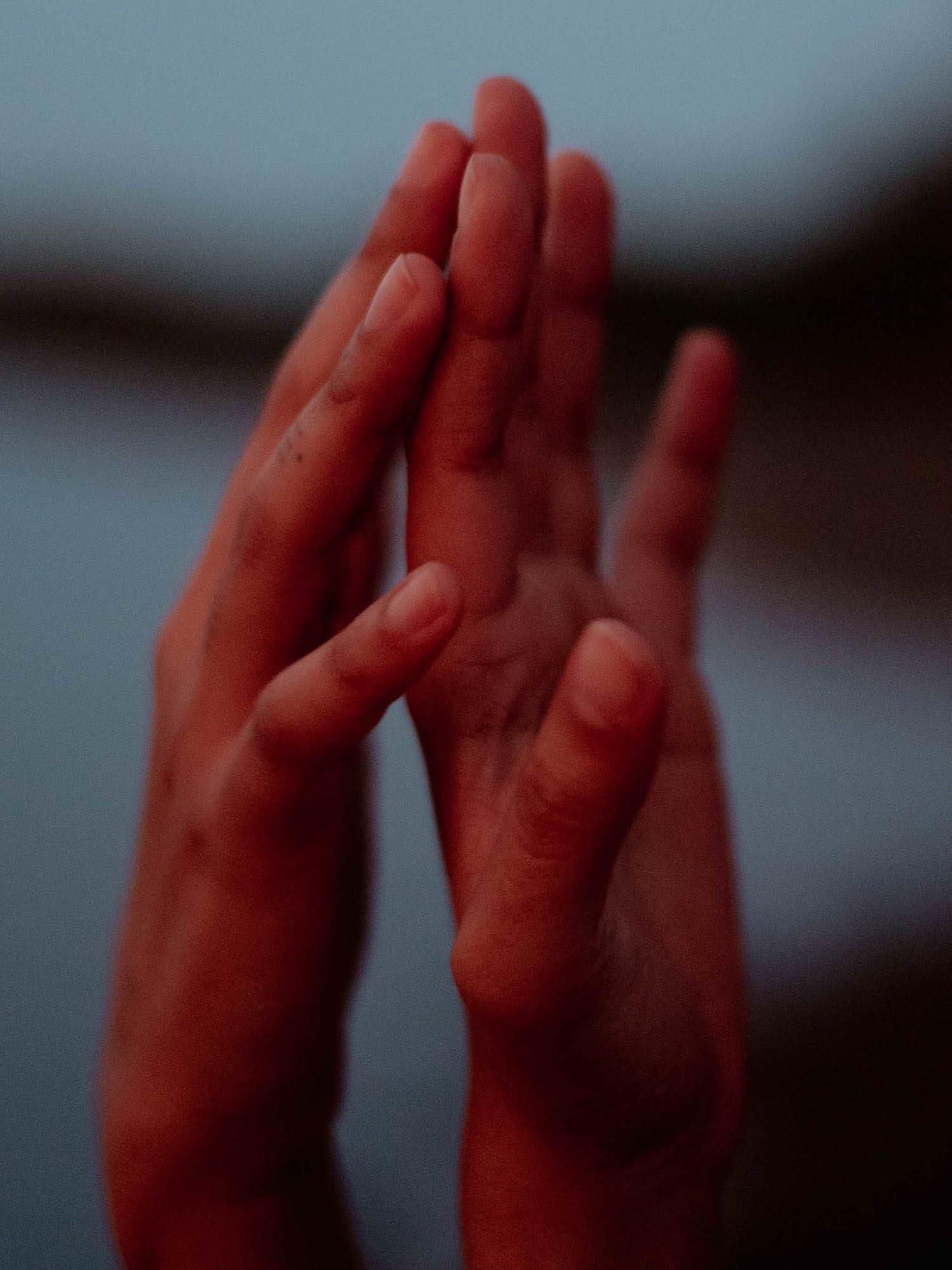
NH: As an artist living in the diaspora, much of my connection to Iran is mediated through digital spaces. Working analogically and being physically engaged with the images allows me to step away from this purely digital space and re-establish a physical relationship with my identity through my body, touch, and material. For example, when I pick up the scissors and cut into an image, the act feels almost like a form of struggle. Rather than passively accepting existing images, I can challenge them and create another way of reading them. In this sense, the act of cutting becomes a form of resistance.
At the same time, the analog process requires much more time, attention. Through this slow, physical engagement with the image, I feel that I am bringing it back into a more human and tangible space.
CvD: As you work with different media, can you elaborate on your relationship with the camera, and whether you worked with a specific model for this project?
NH: For many years, I worked with a Canon 5D Mark III, which accompanied much of my photographic practice and major projects. I have now transitioned to the Canon R6 Mark II, marking a new technical chapter in my practice. In some of my recent works, however, my engagement with the camera has become more indirect. In Spectators, the camera is almost absent, but photography is still very present. In the video installations, for example, some of the footage of executions was recorded by spectators themselves on their mobile phones. So the camera is not necessarily my own tool for producing an image; it can belong to a witness or a spectator.
This makes me interested in what happens to an image after it has been recorded – how it circulates, how it is received, and how it becomes part of our visual memory. In that sense, photography and moving images remain central to my practice, even when I am not the person behind the camera.
This makes me interested in what happens to an image after it has been recorded – how it circulates, how it is received, and how it becomes part of our visual memory. In that sense, photography and moving images remain central to my practice, even when I am not the person behind the camera.
CvD: Then lastly, can you share what you are currently working on or if we can expect a new body of work in the future?
NH: These days, alongside continuing my previous projects, I have been thinking more about the subject of childhood as a space shaped by social and political forces. Rather than approaching childhood as a nostalgic experience, I examine how institutions, education, family structures, and state ideologies shape children’s understanding of themselves and the world around them. I am interested in looking at childhood as part of a collective memory – a space where identity, fears, trauma, and even early forms of resistance are formed simultaneously. For this work, I draw on my personal archive and work with a combination of photography, film and spatial installations.
This Studio Visit is made in collaboration with MBP.
About the artist
NAZANIN HAFEZ is a visual artist based between Iran and Germany. In her artistic practice, she critically engages with social and political injustices, particularly the impacts of the repressive regime in Iran, reflecting a deep sensitivity to power structures, mechanisms of control and censorship, as well as the subtle forms of violence embedded in everyday life. She works across various media, including photography, collage, video, and installation. Hafez was awarded the Documentary Photography Grant from the Wüstenrot Foundation in 2024 and the Residency Prize at Schloss Balmoral in 2026. Her works are part of the photographic collection of the Museum Folkwang in Essen, Germany.
About the author
CLAARTJE VAN DIJK is Senior Curator at Foam Photography Museum in Amsterdam where she curated various exhibitions, including The Underground Camera (2025), Felipe Romero Beltrán - Dialect (2024), Ara Guler - A Play of Light and Shadow (2023), Mous Lamrabat - Blessings from Mousganistan (2022) and Liz Johnson Artur - of life of love of sex of movement of hope (2021). Previously, Van Dijk worked at the International Center of Photography (ICP) in New York in different capacities for twelve years. At ICP she conducted research on the museum’s collection and was a (co-)curator on numerous exhibitions, including Elliott Erwitt: Pittsburgh (2018) and Your Mirror: Portraits from the ICP Collection (2019), collaboration with Erin Barnett. Van Dijk writes for Foam Magazine and co-authored the catalogue Ara Guler - A Play of Light and Shadow (Hannibal, 2023). She has performed mentorships for the School of Visual Arts (SVA) and was a nominator for a number of awards including The Lucie Foundation, BJP International Photography Award and Prix Pictet. Claartje van Dijk lives and works in Amsterdam.
About MBP
MPB empowers creators to tell their stories by making pre-owned photo and video equipment more accessible. Whether buying a first camera, upgrading a kit, or giving used gear a second life, MPB makes it easy to buy, sell, and trade equipment. Through its collaboration with Foam Talent 2026, MPB supports the next generation of image-makers, helping emerging photographers share their work with audiences around the world and opening up new creative possibilities.