Ali Monis Naqvi
Jahan/ جہان
Now in its 17th edition, the biannual Foam Talent Programme continues to make waves by introducing a new selection of outstanding image-makers from across the globe. At a time heavily marked by political uncertainty, economic precarity and families forced into separation, this year’s 15 Foam Talents look closely at the roots holding everything together. Each in their own way, they invite us to reflect on the domestic, mundane, and personal as something universal by asking: What defines home?
Last winter, I was at my grandmother’s flat in the dense and bustling neighbourhood of Shaheen Bagh, in Delhi. This neighbourhood, that was once unknown to most grew an insatiable popularity in the mainstream and metropolitan populations during its women-led people’s protests in 2019.
It has now been 7 years since the last collective chants for freedom and liberty echoed off the weary walls of this neighbourhood. Finding itself once again in the peripheries of neglect and multitudes of margins that India and its cities manufacture daily.
And so, each time I find myself in this neighbourhood I think of Ali Monis Naqvi’s work Jahan/ جہان; a gift to his late grandmother; a gift of dreams, of places and of aspirations that don’t need language to be understood. Through Jahan/ جہان, Ali imagines his beloved grandmother’s rooftop garden in her neighbourhood, Chamanganj, in Kanpur, Utter Pradesh. Imagined beyond its confines, Naqvi uses the garden to capture the intangible vastness of love and tenderness he has for her. A careful collection of images from his travels, of birds and plants awaits you, demanding care and closeness.
There is a sense of home in the tenderness captured in his work, homes he has made for himself, away from his own. Revealing a magnificence that gets tucked away in the mundane, Naqvi highlights what the eye is so used to ignoring. His work is a gift, using his grief to offer an unending remembrance, a promise to the one who has passed, justice to sights never seen.
You can feel this in the subjects he chooses to capture, knowing that these are sights she would have loved, sights that were left unseen by her eyes.
In a letter to his grandmother, Ali writes, ‘It’s so ironic that our area is called Chamanganj but there’s nothing left which is close to a Chaman–a beautiful garden. I find it hard to go back home now and I can’t imagine how Amma and Abba continue to live there.’
I think of how he explained to me the significance of these names given to primarily Muslim neighbourhoods that are crowded, neglected, yet full in the pursuit of living a life. These names allude to heavenly gardens, and in these names lie manifestations, dreams of a home graced by trees and roses.
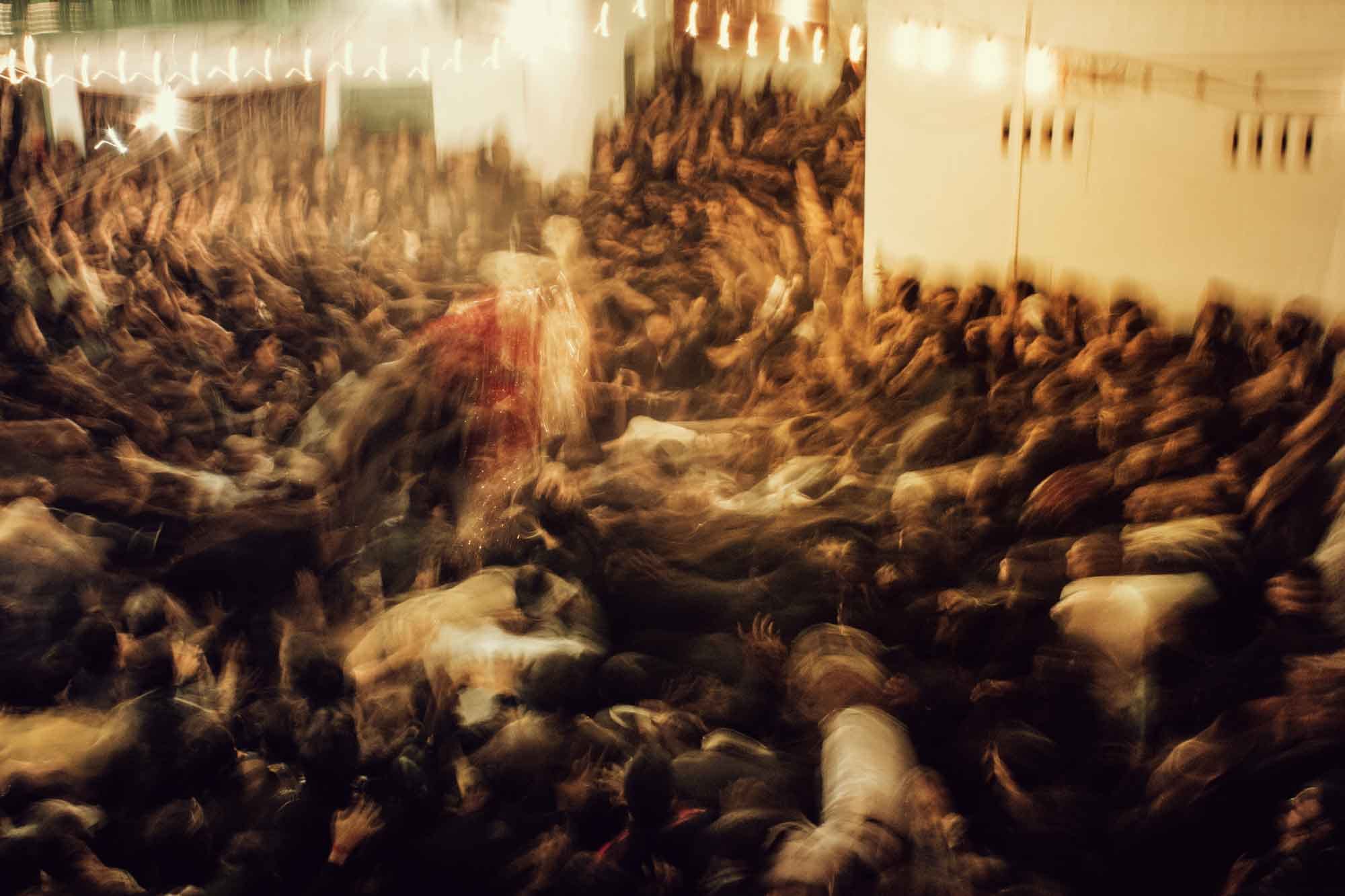
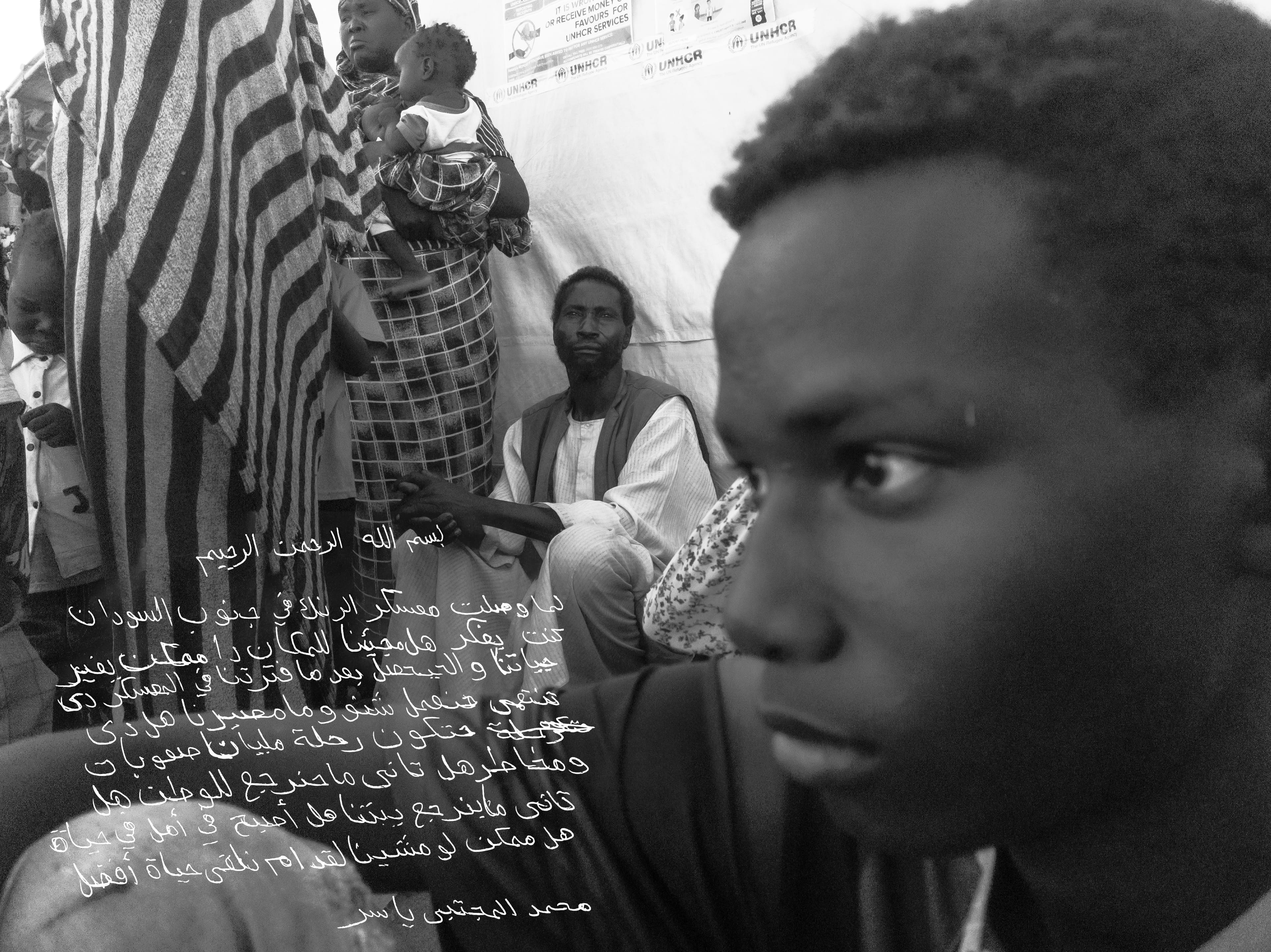
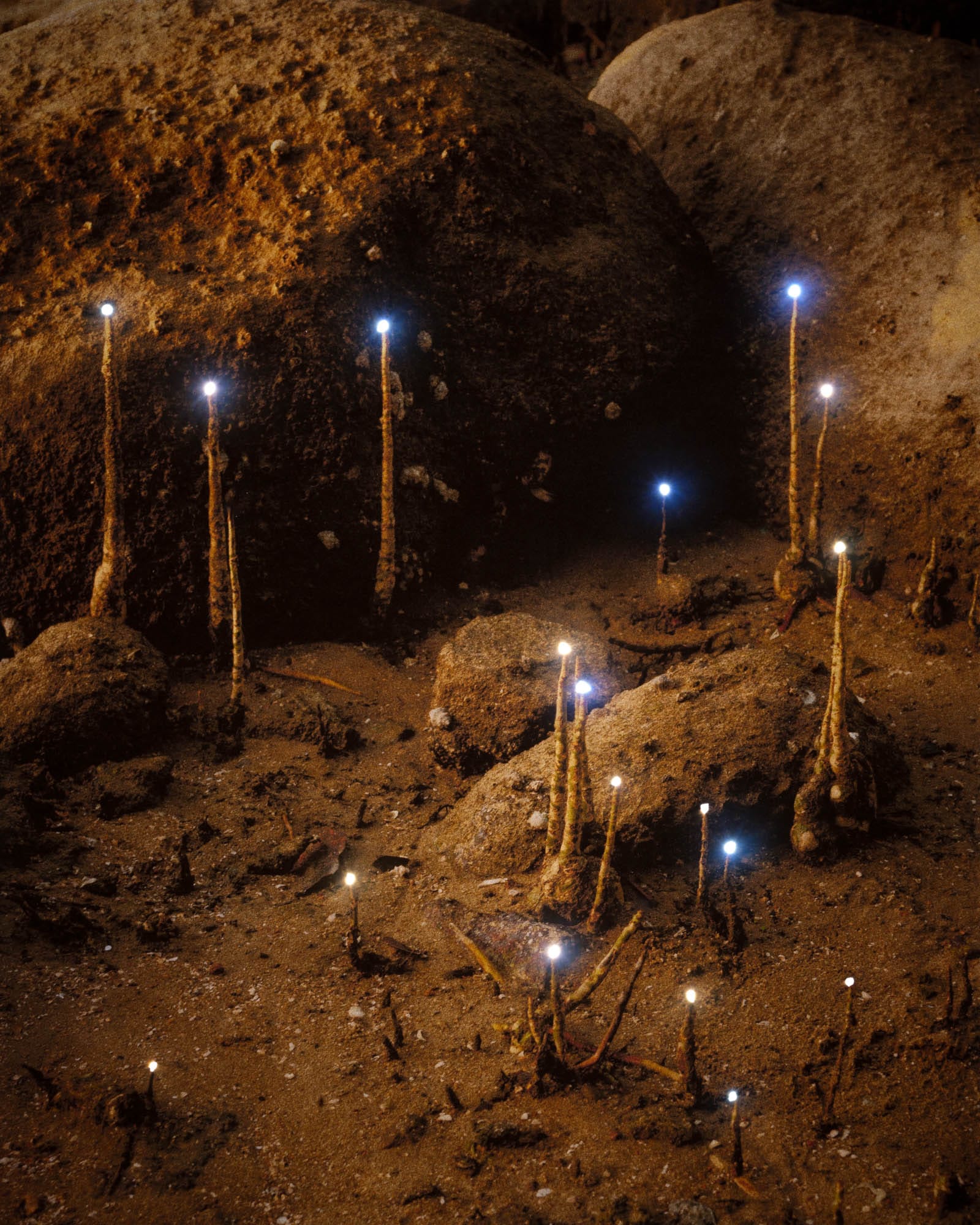
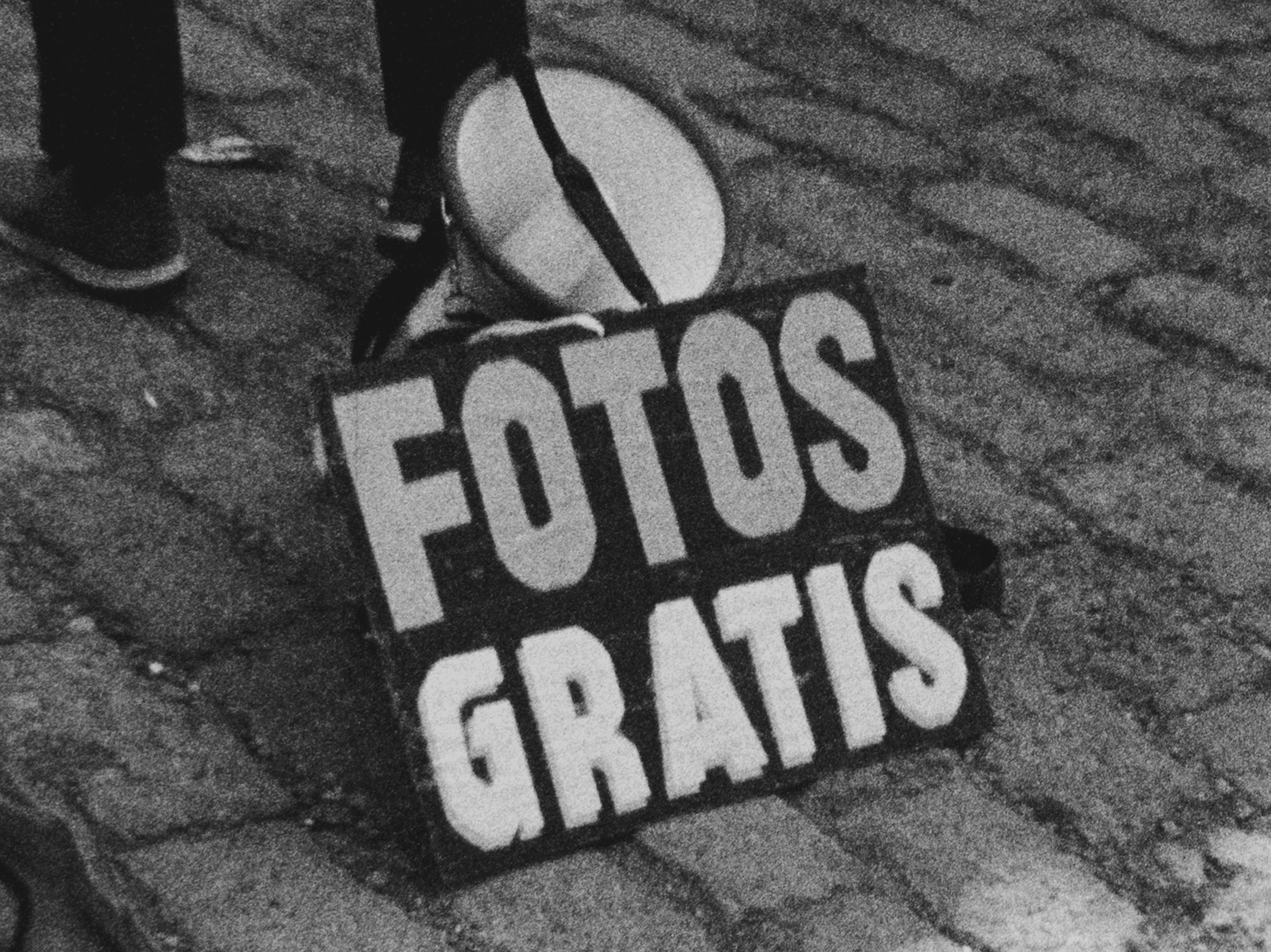
All images from the series Jahan/ جہان © Ali Monis Naqvi
This is an excerpt of the portfolio text published in Foam Magazine #68 Talent 2026. To read the full text order the physical copy.
About the artist
ALI MONIS NAQVI is a photographer based in Goa, India. His work, rooted in everyday life and attending to small, often overlooked moments, traces the undercurrents of the political climate in the Indian subcontinent. Nominated by the British Journal of Photography for the 2023 Ones to Watch, his work has been exhibited and appeared in leading international publications.
About the author
RAH NAQVI (he/they) is an Indian artist currently based in Amsterdam. Their work engages in narratives themed around religious and societal polarisation, using art as a tool to question structural hegemonies.
Image caption: All images from the series Jahan/ جہان © Ali Monis Naqvi