Nazanin Hafez
Spectators
Now in its 17th edition, the biannual Foam Talent Programme continues to make waves by introducing a new selection of outstanding image-makers from across the globe. At a time heavily marked by political uncertainty, economic precarity and families forced into separation, this year’s 15 Foam Talents look closely at the roots holding everything together. Each in their own way, they invite us to reflect on the domestic, mundane, and personal as something universal by asking: What defines home?
At first sight, violence seems absent. Instead, black silhouettes, oversized chairs, iron barriers, or monstrous machines are assembled into colourful cut-out compositions. Faces are tightly packed into crowds or embedded within photo collages of street maps, disclosing no immediate evidence of brutality. In the series Spectators by artist Nazanin Hafez the harrowing reality of public executions, staged as spectacles, reveals gradually. The meaning only unfolds step by step and through close observation.
This deliberate restraint is an ethical decision by the artist. Out of respect for the victims and their families—and in response to the immeasurable scale of violence and injustice inflicted through executions—Nazanin Hafez refuses to depict the act itself. Even in her sound installations, such as 9 Minutes and 16 Seconds (2014), spoken words and distorted voices originally recorded on a mobile phone during a public execution in Karaj (Iran), remain abstract like in a bizarre nightmare.
Nazanin Hafez, who was born and raised in Iran, directly responds in her work to ongoing governmental crimes in her homeland, Iran, and to the daily violence and oppression perpetrated by the Islamic regime against its own population.
Mindful and engaged, her art is a call to not look away, and to not forget the victims’ names. Since the Islamic Revolution of 1979, public executions have become a common practice of control and punishment in Iran. Crimes range from minor offenses, such as petty theft, to serious crimes like murder, as well as acts of political resistance or same‑sex relations, with public executions as arbitrary violent act designed to control and deter.
Using photographs gathered from different online sources, particularly Iranian news agencies, and public spaces, the artist creates black-and-white photographic collages, abstract colour works, maps, videos, and sound installations. Faces, architectural fragments, machines, landscapes, and urban structures are interwoven into powerful assemblages that resist narrative closure. Drawing on her own childhood memories of preparations for public executions and conversations about them, as well as a deep understanding of their injustice and a desire to highlight the emotions and socio-political affects surrounding these events.
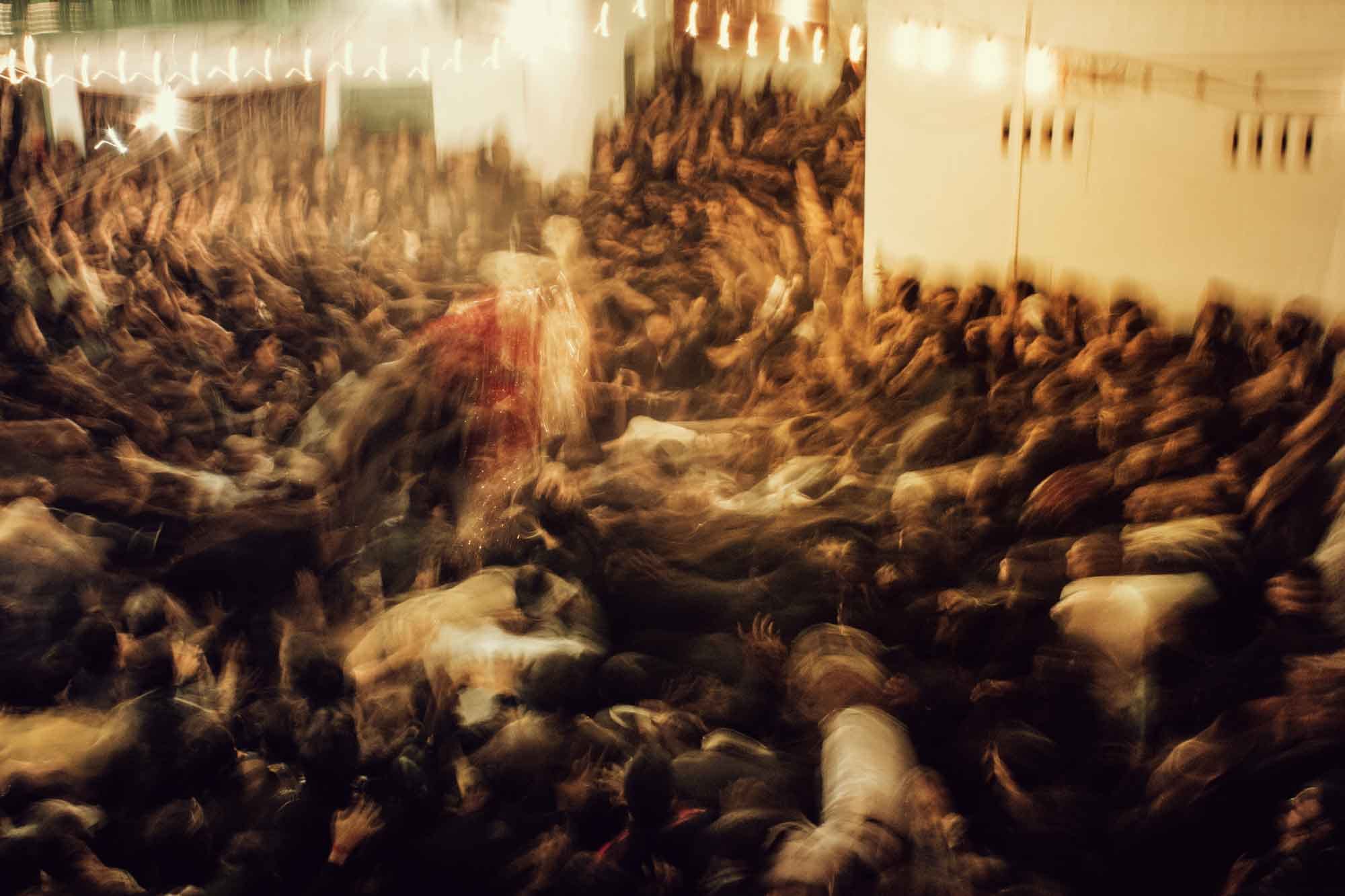
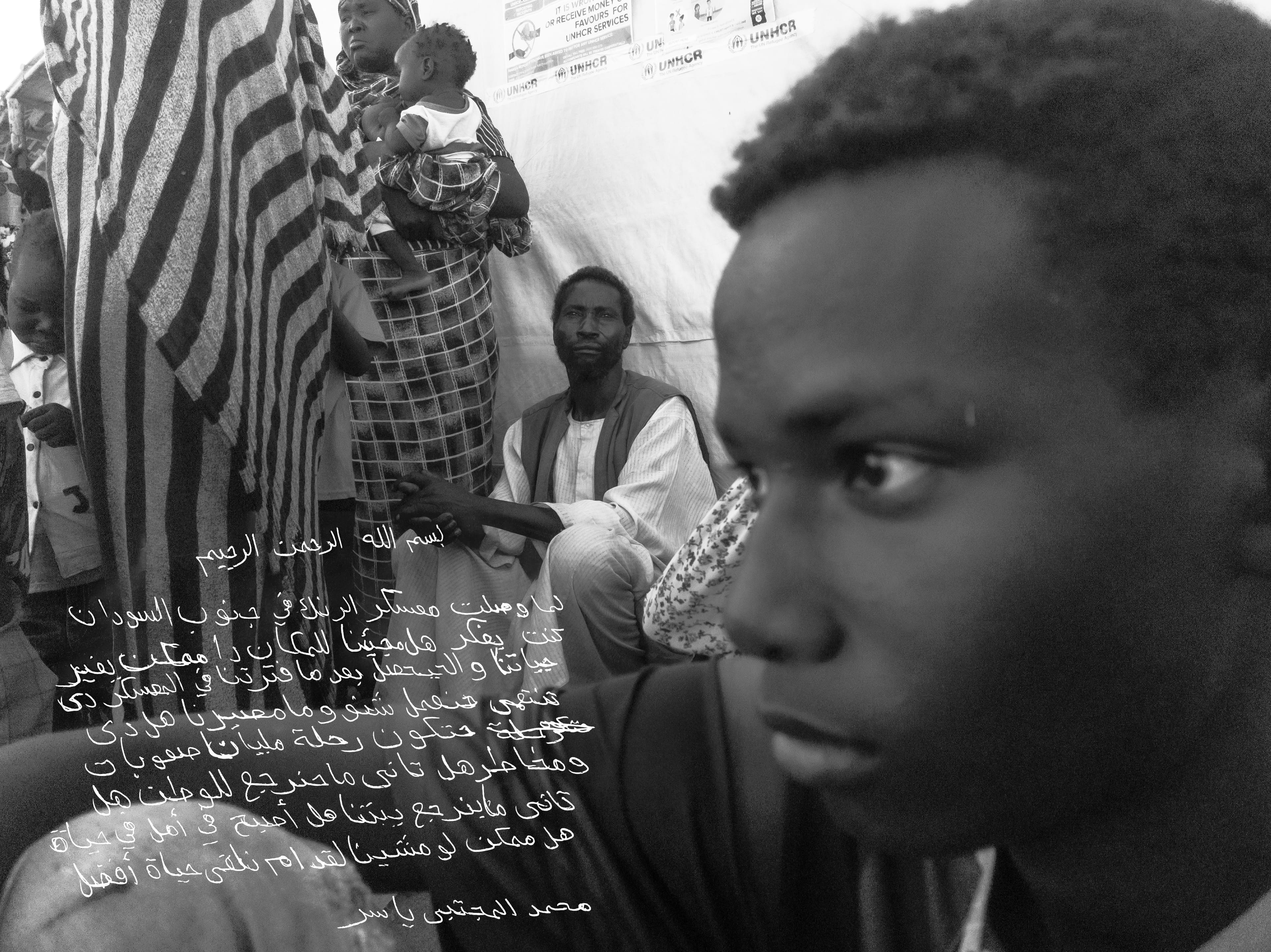
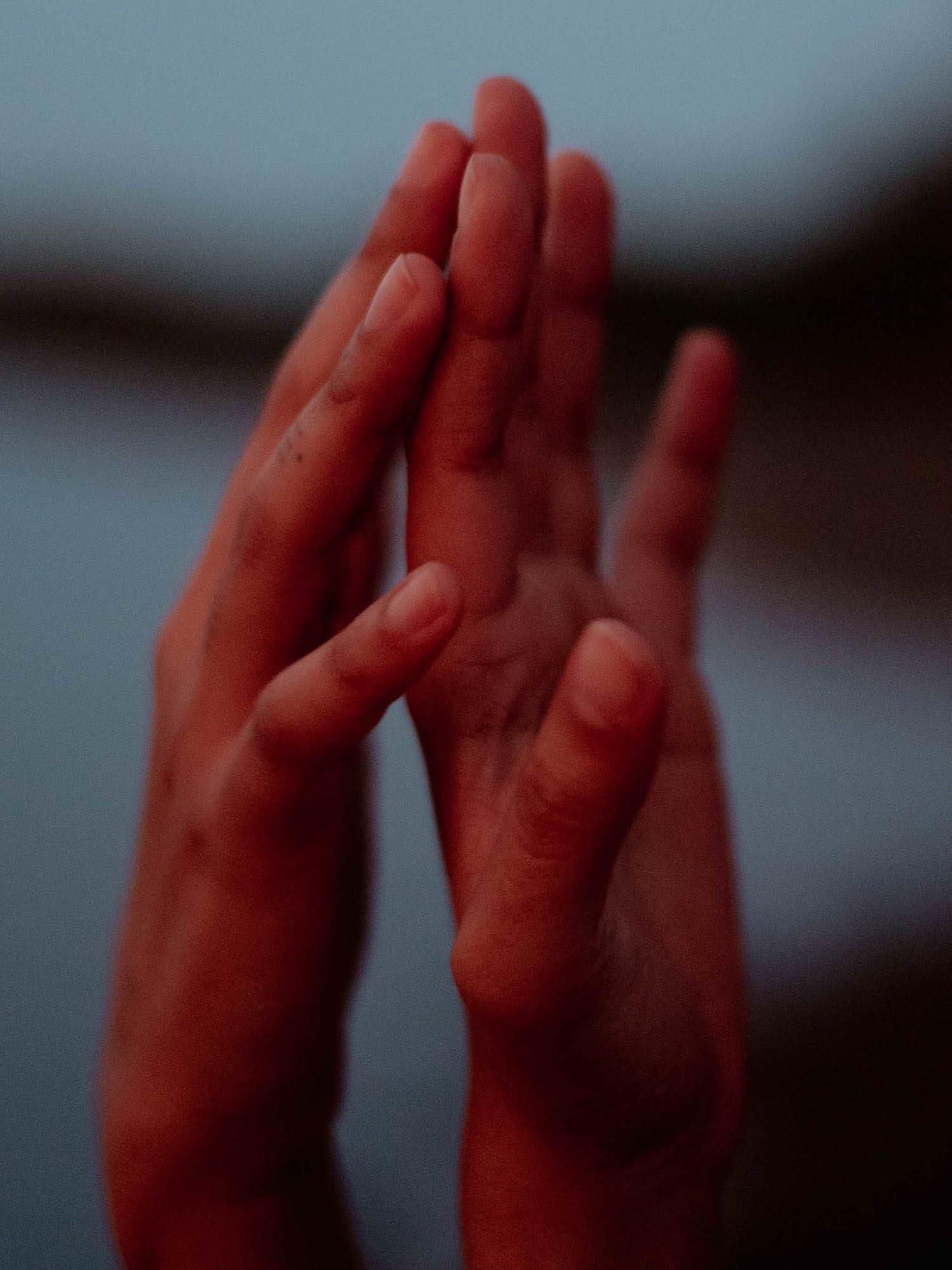
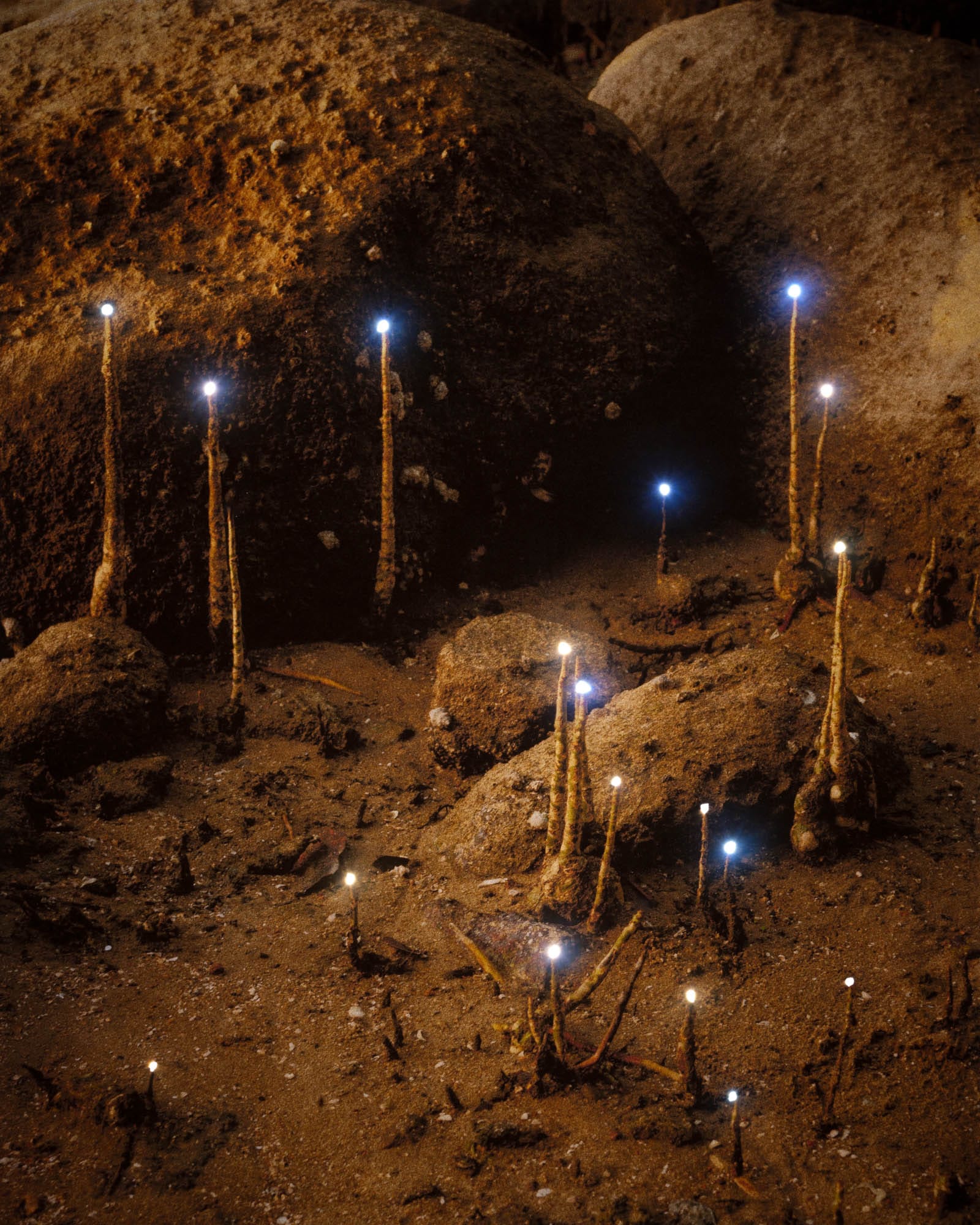
All images from the series Spectators © Nazanin Hafez
This is an excerpt of the portfolio text published in Foam Magazine #68 Talent 2026. To read the full text order the physical copy.
About the artist
NAZANIN HAFEZ is a visual artist based between Iran and Germany. In her artistic practice, she critically engages with social and political injustices, particularly the impacts of the repressive regime in Iran, reflecting a deep sensitivity to power structures, mechanisms of control and censorship, as well as the subtle forms of violence embedded in everyday life. She works across various media, including photography, collage, video, and installation. Hafez was awarded the Documentary Photography Grant from the Wüstenrot Foundation in 2024 and the Residency Prize at Schloss Balmoral in 2026. Her works are part of the photographic collection of the Museum Folkwang in Essen, Germany.
About the author
CATHRINE BUBLATZKY is a photographer and social and cultural anthropologist who has been intensively researching visual cultures of protest movements in Iran. With her focus on (post)migration and Iranian exile and diasporas, her main interests are political transformation and social practices of memory, activism and solidarity in art and photography. Currently she works as senior lecturer at the University of Tübingen (Germany).
Image credit: All images are analogue photo collages from the series Spectators © Nazanin Hafez